Search Keyword
Topics About 'nicu'.
Displaying 16 results
-
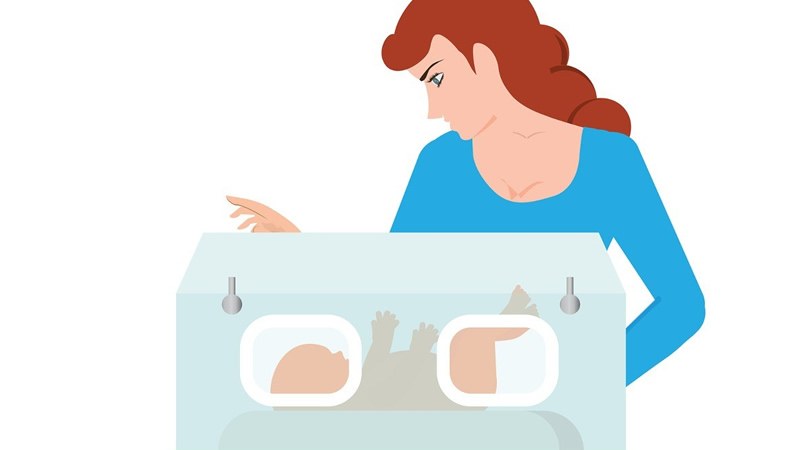 One in every ten infants born in the United States is preterm, meaning they are born before 37 weeks gestation. These vulnerable newborns often face low birth weights, respiratory distress, and congenital conditions that require immediate, specialized intervention. According to recent data from the March of Dimes, the demand for highly trained clinical staff in neonatal environments remains a critical healthcare priority. Neonatal Intensive Care Unit (NICU) nurses are specialized practitioners who bridge the gap between advanced medical science and profound human empathy. They deliver critical care to ill newborns while simultaneously providing emotional support and education to families navigating one of the most frightening experiences of their lives. This comprehensive guide uses a Success Intelligence framework to help you evaluate the NICU nursing career path. We will focus on the tangible return on investment (ROI) of your education, the realities of clinical practice, and the strategic steps required to protect your mental health and advance your career. Bottom Line Up FrontBaseline Education: An Associate Degree in Nursing (ADN) is the minimum requirement, but a Bachelor of Science in Nursing (BSN) is heavily preferred by top-tier hospitals. Financial Outlook: Registered nurses earn a national average of $86,070 annually. Specialized NICU nurses, particularly those in travel roles or high-acuity Level IV units, often exceed this baseline. Top Certifications: RNC-NIC (National Certification Corporation) and CCRN-Neonatal (American Association of Critical-Care Nurses). Career Trajectory: NICU nursing offers a direct pathway to becoming a Neonatal Nurse Practitioner (NNP), a highly lucrative advanced practice role.
 -
When I tell people I'm a mother-baby nurse, the usual reaction is, "Oh, what a great [fun, exciting, happy, insert positive adjective here] job that must be!" Sometimes, that's a true statement. But what most people don't realize (or if they do, they don't mention it) is that when bad things happen, they are very very bad. Families and staff alike need support, though each needs a different kind. This article (part 1) is about supporting families through what is likely one of the most difficult times of their lives. Whether it's a miscarriage (loss of a pregnancy before 20 weeks gestation), an ectopic pregnancy, an intrauterine death confirmed by ultrasound before delivery, or a neonatal loss wherein baby is born alive but dies later, perinatal loss is devastating for families. What to do when what is supposed to be a normal event ending with a healthy baby ends with empty arms instead? First, recognize that nothing anyone says is going to ameliorate the loss for that family. Losing a baby at any gestation leaves an emptiness that no words can fill. Some things NOT to say: "Oh, you are young, you can have more babies.""Better to lose him now before you really got a chance to know him.""There was probably something wrong with the baby anyway.""At least you lost the baby early before you had a chance to bond."These things minimize the very real sense of loss the family feels and can undermine the nurse-patient relationship. After I miscarried my baby several months ago, I remember wanting to slap people silly for saying things like this to me, even when I knew they meant well. What I've found works best is a simple "I'm so sorry". This acknowledges people's loss in a simple way and gives them room to respond. After my loss, what helped more than anything was a simple note from a friend: "You guys are in my thoughts/prayers", or when coworkers would stop me in the hallway and just give me a hug without saying anything. (Everyone's different; I'm just saying what worked for me.) Second, acknowledge people's need to grieve and express emotion differently. Some people will be vocal, others will not. Some will want to see and hold their baby (if the loss was at a gestation where this is possible), others will not. Some people will change their mind several times. Either way, people need to know that their reactions are normal and okay. Depending on the family and the situation, I have told patients that no one will force them to do anything, but that sometimes seeing the baby will help them incorporate his life into theirs in a meaningful way. In any case, whatever people decide needs to be respected. We do take pictures of the baby and place them in a keepsake box (along with some other items) so that if they decide to look later, they can. I have had families that did not want to see their baby at all, others who initially did not want to but later asked to see, and others who spent their entire stay with their baby in arms. We've had parents brush and style their baby's hair and change their diapers as if they were alive. All of this is perfectly normal and appropriate. Allowing parents their space to say goodbye in whatever way they choose is so very important. Addressing families' spiritual needs at this time is also crucial. Hospital chaplains are a fantastic resource in this time; families should also know that if they want their own clergy or other spiritual leader to come and be a part of their time, that is welcome too. Fourth, education on what to expect after a loss is extremely important. In the immediate aftermath, this isn't the priority, but it does need to be addressed before families go home (which in some cases is less than 24 hours after delivery). Physical AND emotional aspects need to be addressed. Women need to know how long to expect bleeding and cramping, and how to relieve the discomfort of breast engorgement if their milk comes in. People need to know that grieving is not a linear process; there will good days and bad days, and sometimes the grief will come back at unexpected times/places. As well, everyone's grief process will look different; some people will be vocal and want to talk, while others will need space to process things. Couples especially need to know that just because one partner is less expressive, it does not mean they aren't grieving or don't care. Sometimes counseling or support groups can be helpful in these situations. There is so much more to say on this topic; this article is by no means exhaustive. Commenters, feel free to add your own tips or things you do to help families with their perinatal losses. If you've experienced a perinatal loss, my heart goes out to you and I do hope for your healing and peace. Here are some additional websites/resources for nurses and families: Dealing with grief after the death of your baby | March of Dimes www.nowilaymedowntosleep.com (Fantastic professional photographers who provide free remembrance photography to parents who have lost a baby. Some photographers only do portraits above a certain gestation, though.) Grief Resources | Healing Hearts Baby Loss Comfort (very comprehensive Q&A and information sections) Grief Watch - Home page (general grief resource, not specific to perinatal loss, but worth checking out)
-
Overview Care in the Neonatal Intensive Care Unit (NICU) is extremely specialized and runs the gamut from the stable neonate to the extremely ill infant. NICU nurses are intensive care nurses of the smallest patients. Their work environment usually consists of high intensity care coupled with technical details associated with the most critically ill patients. NICU nurses provide twenty-four hour skilled care of the medically fragile newborn (from birth to approximately age 30 days) in an intensive care environment. As the age of viability has decreased over the years, there are more and more low birth weight and premature infants being born and requiring intensive care. Reasons for NICU Admission (not all-inclusive) Congenital cardiac abnormalities Post-open heart surgery Hypoglycemia Gastroschisis Diaphragmatic hernia Fetal alcohol syndrome Drug addicted babies Mechanical ventilation Meconium aspiration Meningitis Respiratory distress Chromosomal abnormalities Qualities As in other pediatric specialties, nurses are caring for the infant as well as the parents and family unit. Nurses who work in the NICU must enjoy the education aspect of nursing care since rarely do parents know what happens in a NICU prior to their child's birth. It is imperative that the nurse can easily relate and gear the education to the parent's education and socioeconomic status as well what information they can process at this time. Infants being cared for in the NICU can have a very stormy course with many highs and lows. It is often necessary for the nurse to understand palliative care as well as the usual course of the more common diagnoses. Work Environment There is much disparity in thelevels of care that NICUs provide ranging from Level 1 to Level IV. Level I Level I facilities (well newborn nurseries) provide a basic level of care to neonates who are low risk. Level II Care in a specialty-level facility (level II) should be reserved for stable or moderately ill newborn infants who are born at or more than 32 weeks' gestation or who weigh at or more than 1500 g at birth with problems that are expected to resolve rapidly and who would not be anticipated to need subspecialty-level services on an urgent basis. Level III Infants requiring Level III services may require mechanical ventilation and surgery. Level IV Infants who are at the lowest age of viability and at the highest level of care are included in Level IV care. Evidence suggests that infants who are born at Level IV units include the capabilities of level III with additional capabilities and considerable experience in the care of the most complex and critically ill newborn infants and should have pediatric medical and pediatric surgical specialty consultants continuously available 24 hours a day. Level IV facilities would also include the capability for surgical repair of complex conditions such as congenital cardiac malformations that require cardiopulmonary bypass with or without extracorporeal membrane oxygenation. Professional Organizations / Associations National Association of Neonatal Nurses (NANN) Association of Women's Health, Obstetric, and Neonatal Nurses (AWHONN) Academy of Neonatal Nursing Education Graduate from an accredited RN (Registered Nurse) program (Diploma, ADN, BSN, MSN, DNP) Successfully pass the NCLEX-RN examination Current, unencumbered U.S. license as an RN The RN will require experience as a neonatal nurse. This can be obtained in the following areas (not all-inclusive): OB Well baby nursery Maternal-child care Pediatrics Neonatal/NICU RNs interested in advancing their careers can consider becoming an Advanced Practice Registered Nurse (APRN) and receive education as a Neonatal Nurse Practitioner (NNP). There are Master of Science in Nursing (MSN) and post-Master's certificate programs available as well as Doctor of Nursing Practice (DNP) programs. Some programs offer the Bachelor of Science in Nursing (BSN) to Doctor of Nursing Practice (DNP) educational opportunity. The type of program availability may include full-time, part-time, online, and/or hybrid. Neonatal Nurse Practitioner Programs (not all-inclusive) University of Texas Arlington (MSN) Rush University Neonatal Nurse Practitioner (NNP) Doctor of Nursing Practice (DNP): online The Ohio State University (BSN-DNP) Emory University Nell Hodgson Woodruff School of Nursing Neonatal Nurse Practitioner (MSN or DNP): online Duke University (MSN and Post-Graduate Certificate): distance-based Certifications National Certification Corporation (NCC) The NCC provides certification examinations for the eligible RN and Neonatal Nurse Practitioner (NNP): 1 - RNC Certification in Low Risk Neonatal Intensive Care Nursing (RNC-LRN{R}) - eligibility (not all-inclusive) Current/active/unencumbered RN license in U.S. or Canada 24 months of specialty experience; minimum 2000 hours Specialty experience: direct patient care, education, administration or research Employment in specialty in the last 24 months 2 - RNC Certification for Neonatal Intensive Care Nursing (RNC-NIC) - eligibility (not all-inclusive) Current/active/unencumbered RN license in U.S. or Canada 24 months of specialty RN experience as U.S. or Canadian RN; minimum 2000 hours Specialty experience: direct patient care, education, administration or research Employment in the specialty sometime in the last 24 months 3 - Neonatal Nurse Practitioner (NNP-BC) - eligibility (not all-inclusive) Current/active/unencumbered U.S. RN or Advanced Practice Registered Nurse (APRN) license Graduated from accredited graduate Nurse Practitioner (NP) program (MSN, DNP, or post-master's that meets NCC approval The program can be a master's DNP or post-master's. Certificate-prepared applicants are not accepted Applicant must be within 8 years of NP graduation to sit for the exam 4 - Neonatal Neuro-Intensive Care (C-NNIC) - eligibility (not all-inclusive) Current/active/unencumbered in U.S. or Canada as a physician (MD/DO), RN, APRN, or respiratory therapist No practice experience is required; recommended that applicant have at least one year of experience caring for neurologically at risk or compromised neonates American Association of Critical-Care Nurses (AACN) The AACN provides certification examinations for the eligible RN and APRN. The CCRN® is for the RN who provides acute/critical neonatal care in any work environment (NICU, trauma, flight, etc.). The ACCNS-N® (Neonatal) is for the Clinical Nurse Specialist (CNS). 1 - CCRN® (Neonatal) eligibility (not all-inclusive) 2 yr option: Current/active/unencumbered U.S. RN or APRN license RN or APRN complete 1,750 hours direct care of acutely/critically ill neonatal patients during the previous 2 years 875 of those hours accrued in the most recent year preceding application OR 5 yr option: Current/active/unencumbered U.S. RN or APRN license Practice as an RN or APRN for at least 5 years Minimum 2,000 hours direct care of acutely/critically ill neonatal patients 144 of those hours accrued in the most recent year preceding application 2 - ACCNS-N® (Neonatal) eligibility (not all-inclusive) Current/active/unencumbered U.S. RN or APRN license Graduate from an accredited neonatal CNS program 3 - CCRN-K™ (Neonatal) This certification is for nurses who do not provide direct patient care but who directly influence the care of the acutely ill neonate. This includes: clinical educators managers and supervisors academic faculty members eligibility (not all-inclusive) Current/active/unencumbered U.S. RN or APRN license 1,040 hours during the previous two years 260 of those hours accrued in the most recent year preceding application Additional Certifications The following are highly recommended for all neonatal RNs and APRNs (not all-inclusive): Basic Life Support (BLS) Pediatric Advanced Life Support (PALS) Neonatal Resuscitation Program (NRP) The S.T.A.B.L.E. Program (post-resuscitation/pre-transport stabilization care of sick infants) Salary (2020) According to ZipRecruiter, the average annual pay for a NICU Nurse in the U.S. is $99,711 per year. According to salary.com, the average NNP salary in the U.S. is $125,135 and falls between $115,021 and $135,291.
-
I graduated from Buffalo General Hospital School of Nursing in June of 1975. It was a 3 year hospital based program that no longer exists. After working night shift in a very small rural hospital as a graduate nurse for 3 months I was hired for my "dream job" in the ICN (Intensive Care Nursery) at Buffalo Children's Hospital in October 1975. I started out on the night shift and then transitioned to days after a few months. I found it a very challenging and difficult job but I absolutely loved it. Caring for these sick little babies was truly my calling. On March 23, 1976 I was assigned to accompany one of the neonatologists to attend the birth of a 30 week old premature baby in the delivery room. The mother had been sent to Buffalo Children's Hospital from a town about 50 miles away after her water broke unexpectedly a few hours earlier. This decision to send her Children's to deliver turned out to be one of the major saving factors in this premie's outcome. The delivery was uneventful and I was handed a baby boy weighing 3 pounds/ 5 1/2 ounces. His Apgar score was 2/2 and he was in obvious respiratory distress needing immediate attention. The neonalologist assessed him and intubated him and placed him on a ventilator within minutes. As soon as he was stable enough to move he was brought up to the ICN on the 4th floor so other necessary immediate procedures could be performed. An IV umbilical line was placed and he was put under intense warming lights to help control his body temperature. His vital signs were monitored manually every 5 minutes as well as continuously by digital machines. Several hours later his parents, Bill and Nancy were brought in to see him. Needless to say they were very overwhelmed by everything going on. At that time Nathan was very critical but his vital signs were stable and he was moving all his extremities and trying to cry and we all agreed that he sure seemed to be a little fighter. His parents were very emotional and concerned but they stated that they knew he was getting the best care he could get at that time. Several days passed and he became more stable each day with no major problems or crises. His Mom was discharged from the hospital and they headed the 50 miles home leaving their precious little boy in the caring hands of myself and the rest of the ICN staff. Unfortunately, the distance and typical winter weather conditions in western New York made daily visits impossible. While they were visiting often in the first days of Nathan's life we had become extremely close and a very trusting relationship was formed between us. I had become his "other mother" and I was thrilled to be trusted by them to care for their son. Nathan's daily care became fairly routine and he slowly gained weight and continued to fight to overcome "normal" issues of premies (infections, digestive problems, jaundice, apnea, skin breakdown, round the clock suctioning, etc.) At 6 weeks old he underwent his first surgery to remove the most severely damaged portion of his right lung (due to Hyaline Membrane disease.) This was done in hopes that the remaining lung would expand and grow healthy tissue. He had a few rocky days after the surgery but then came around and started to generally improve daily. On days that his parents were unable to visit I would speak with both of them several times every day. When they could visit they were finally able to hold him, even though he was still intubated and his determined personality started to become obvious. He was gradually and successfully weaned off the ventilator and was discharged to home in the care of his parents on Father's Day in June 1976. Taking care of him at home was very nerve wracking for Bill and Nancy. He was on an apnea monitor and needed very important heart medication administered daily. I had taught both of them how to do this and they were both very intelligent and capable people but they stated they felt totally incompetent to care for their baby with special needs after a whole team of professionals had been caring for him to this point. At this time I became their phone contact and support person, day and night, for any and all problems, questions and concerns that arose in caring for Nathan. This was my choice and my way of helping them take over a job that I had started. I was able to go to their home and visit every few weeks. He was receiving wonderful care at home and was thriving. He was actually becoming a "regular" baby. At 7 months old he underwent his 2nd surgery to repair his heart defect - a PDA (patent ductus arteriosa.) The surgery was successful however due to his compromised respiratory status he developed respiratory complications and ended up staying in the hospital for 7 weeks. But Nathan rallied and again returned home. From that point he continued to grow and develop normally, meeting his developmental milestones at a pretty normal pace. He was a happy, cheerful cute kid and we continued our relationship with phone contact and frequent visits. Bill and Nancy adopted 2 more children - Molly and Jonathan. My husband and I were the proud parents of 2 daughters and our families became friends over the years with visits to each others homes where our kids enjoyed playing together. This was extra special for me to be able to watch Nathan grow up and be a normal kid after his "too early" start in the world. When Nathan was 6 years old our 2nd "medical experience" occurred. One evening Bill and Nancy and their family and me, my husband and my daughters were invited to an impromptu get together at the home of mutual friends. After some play time the kids were fed pizza and then settled into the den to watch a movie. The adults were eating dinner and playing Trivial Pursuit in the dining room. After an hour or so Nathan's sister came to her Mom and said Nathan was moaning and seemed to be not feeling well. Both Nancy and I went to check on him and noted he was quite flushed looking and he complained that his throat and neck hurt. I picked him up and happened to notice that his neck area had crepitus (crackling and popping feeling) under the skin on the left side of his neck and upper chest area. I suspected that he had a spontaneous pneumothorax due to this symptom and his general appearance. Nancy called his pediatrician and I spoke with her. She was advised of my being Nathan's "nurse" for many years. She agreed with my assessment and advised us to call 911 and have Nathan transported to Buffalo Children's Hospital. I rode in the ambulance with him mainly because he wouldn't let go of my hand !! Sure enough, he did have a pneumothorax and after treatment with a chest tube and a stay in the hospital for a week, he was sent home and thankfully never had an episode like that again. I always felt that we were meant to be together that evening. So Nathan grew up to be an exceptional young man. In college he pursued International Studies and over the years has been all over the world. Most recently he lived in Isreal for several years working as a peace negotiator for the Carter Peace Center based in Atlanta, Georgia and started by President Jimmy Carter. A few years ago he met Kate and they were married. On December 8, 2016, they welcomed their daughter Rosalie Charlotte into the world. They now live in Traveler'd Rest, South Carolina where Kate is a minister working at Furman University in Greenville, SC. Nathan continues doing International Peace work, mostly online, but his main job is being a stay at home Dad for little Rosie. This summer we were able to get together again after many years of not seeing each other. We've kept in touch with yearly birthday calls on March 23rd, occasional letters and updates from his parents. On July 17th we were invited for dinner at Bill and Nancy's home, a charming cabin in Cherry Creek, NY. This is about an hour away from us. I was so excited to see Nathan and to meet his wife and daughter. My second husband Gary had heard my many stories of Nathan and his family but had not met them yet. What a wonderful and special evening we had !! One I'll remember for many years to come. Hopefully, we'll get to spend more time together over the coming years. I know Nathan's parents are very proud of him but I also feel a very special place in my heart for Nathan - whose name means "Gift of the Lord."
-
Hello, I'm a nursing student interested in NICU nursing. There are so many things about it that I feel like sound like a dream job, but I'm also trying to think critically about the challenges as well. One thing that has stood out to me is the stress of dealing with fussy babies who may cry for the entire 12 hour shift, like what I've heard many NAS babies do. I know from dealing with my own children how stressful it can be to handle a crying baby for hours on end and mine were relatively easy. Is that a significant issue that NICU nurses face, or is just something you get used to? Are there other components of the job of a NICU nurse that are particularly difficult compared to other areas in nursing? Thanks so much for your input!
-
Video: CNN's Brooke Baldwin shares a story from her friend and coworker Chelsea McGinnis, who recently delivered premature twins but can't take them home because of coronavirus. Brooke Baldwin brought to tears by colleague's harrowing story
-
Let’s go back to the beginning All of that crying started right out of nursing school. That first year of nursing was hard, but those first few months were incredibly tough. Three months of orientation and I would cry and/or throw up before each shift. Looking back, I realize now they were tears full of fear, the unknown, and dread. It decreased as time went on, thankfully. The tears of fear turned into tears of empathy. I spent 15 years taking care of fragile babies and their parents. Tears of joy. Tears of heartbreak. I’ve cried with mothers when they held their baby for the first time. I’ve cried with mothers when they held their baby for the last time. Tears of anger when parents didn’t act in the baby’s best interest by doing drugs or being neglectful. It was never my place to judge, but I cried for babies that we later found out died after being abused by parents. Tears of frustration, as we warned DCS to no avail. There were tears of disappointment when the manager’s response at times was “you can’t save everyone.” Years went by Tears went by. As the years wore on, I cried less. The job wasn’t easy, but it was comfortable. Each shift was different and had its challenges, but I knew the basic routine. Clock in, do my job, clock out. Rinse. Lather. Repeat. I took for granted the mundane shifts. The comfort. The familiarity. I took all that for granted until 2020. Covid brought with it a whole fresh stream of tears. More tears I had since that first year as a nurse, and then some. And, some more. And it ended with more tears than I ever thought possible. Why was it so hard? Especially in the NICU? Our babies didn’t have Covid. I shed tears though for Covid positive mothers that had their babies taken from them right after delivery and brought to our unit. These babies were term, healthy, and perfectly fine. Luckily, the CDC stopped recommending this barbaric practice after a few months, but it devastated me. I was heartbroken for those moms when all that was happening. We went from encouraging skin-to-skin directly after birth to whisking their babies away. Then placing them in an isolette and keeping them in a negative pressure room and away from their mothers. How traumatic. Things got better, then worse again, then better, and worse than it was at the start. We then had to float to adult units. Huh?! I’ve only ever worked in the NICU. Nope, didn’t matter. Talk about being thrown into the trenches. This was a whole new terror than even that first year as a brand new nurse. At least as a new nurse, I had a preceptor and support. Having to float to the adult units, though? Those nurses were way too busy and overwhelmed to be answering questions from someone that didn’t know what they were doing. “I’ve only ever cared for babies, where exactly do I put this adult thermometer?”….. “Anyone?”…… “Bueller?” Honestly, I’m laughing now when I think back to it. I was asking the patients themselves how to care for them. I’m thankful most of them were kind and understanding. I enjoyed talking with them and they seemed to enjoy the company since they couldn’t have visitors. Then there were the Covid units, ER, and ICU. So much death and pain. There were months that our unit was so slow, we were having to float to the adult units every week or two. Absolutely terrifying each time. I would cry ... then the tears stopped I would cry on my way to work. I would cry at work in the bathroom or stairwell. Or that one little quiet place right off the lobby by the big fish tank. I cried because I knew the shift would be terrible, and it always was. I never left those shifts saying “it wasn’t as bad as I was expecting!” Never. I anxiously dreaded it every time. And then one day, the tears just stopped. Did I just not have any more tears? I then realized I was just tired. Tired of working long shifts. Tired of not knowing what I was doing. Tired of being scared. Tired of working nights. Tired of seeing and hearing so many tragic stories. Tired of wearing a mask. Tired of wearing eye protection. Tired of getting my temp taken before every shift. Tired of having to go through a different entrance than I had the last 15 years. Tired of being so short-staffed all the time. Tired of a new policy today that will change tomorrow. Tired of the pain. Tired of being tired. Tired of crying. I’m too tired to cry. There are so many that have been through a lot more. Those that were and still are working on the frontlines in those units. Those that lost one or more loved ones. So much hurt and pain. Are you tired? Do you let the tears flow?
-
Thank you for the feed back. I have now been training in the nicu now for a little over two months and it hasn’t gotten any better. I was really hopeful that it was going to be a better environment for me to work in. My preceptor is really nice but she can be very controlling. She never lets me go into rooms by myself and she will critique everything I do. Yesterday I was changing out an infant’s nasal cannula and redressing it and she was criticizing the way I cut my tegaderm because it was 1cm shorter than it needed to be. I always listen to her input and will redo things if she is unhappy with how I am preforming tasks. I am always open to feedback and constructive criticism but it’s gotten to the point where it feels like she critiques everything I do and that everything I’m doing is wrong. A lot of times she will take over things I’m doing or take medication out of my hand to do it. It’s very discouraging and I feel like I’m having a hard time accomplishing anything because she is always upsets about something I am doing. I’m new to the nicu but I was a nurse on a renal transplant floor for 2 years prior so I do have some skills that translate over. Last night we had a kid that was very sick and vented and she told me that she would be doing everything and that I could watch her. I was very discouraged and disappointed because I wanted to be apart of this kids care and it felt like she was indicating that she didn’t think I was competent enough to do so. The kid ended up coding and I tried to get involved in the code as much as I could by getting supplied/suctioning/decompressing the stomach. I was pretty upset after the code because it was my first one and it’s horrible to see your patient that way and she never debriefed with me. We were able to get the kid back and started a blood transfusion. I pointed out to her that it looks like the IV is infiltrated and she told me it looked fine. I was concerned so I was checking the site every 30 minutes. The IV ended up infiltrating pretty badly and when we went in together to asses she asked me if it looked like this 30 minutes ago which I responded no. She then asked me if I was sure which I was very insulted by and told her I would never keep something infusing through an infiltrated IV. My patients are everything to me and I work really hard to learn as much as I can to be the best nurse I can be for my patients. When I was in the nursery training I received very positive feedback and was told that they could tell I was a good nurse on my other unit and that I was doing really well. I even got thank you cards from families I had while over there. I was with a different preceptor the other week and she told me that I did an amazing job and gave a very detailed report. My other preceptor often talks over me while I’m giving report and makes me practice with her before giving report. I’m more than happy for any opportunity to learn but other preceptors have never had a problem with how I give report on this unit and when I’ve ask for feedback they always tell me that my reports are good. I decided to talk to my preceptor about why she wouldn’t let me help with the sicker kid because it was really bothering me. This week she has been especially critical of everything I have been doing and won’t let me do anything on my own so I wanted to clear the air. I was hoping to get feedback on how I can improve and if I am where I should be at this point in my orientation. She basically told me I’m lacking critical thinking skills and time management/prioritization. She told me that if she had let me have more control in the assignment last night that the kid wouldn’t have been recovered. Which really made me sad when she said that. I really want to improve and do better but it seems like my preceptor has no faith in me and thinks I’m a bad nurse who shouldn’t be there. Her response broke my heart and it made me feel like I’m a terrible nurse. It even made me consider transferring to a different floor. The nicu has always been my dream job and I’ve worked really hard to get a job on this unit. I’m devastated that this has been my experience on this floor so far. I know the turn over rate on the floor is very high due to bullying and the senior nurses make it very clear that newer nurses are not welcome there. I’m looking for advise of any kind. I’m just completely devastated and questioning if I should even be a nurse at this point. Thank you for reading and sorry this post is so long!

-
I have been a nurse in oncology for 2 years now. In my 20's. I was on nights for a year and then I became dayshift. I've been days for 6 months now and although it's busier, I enjoy having a normal sleep schedule. I have a similar schedule to my s/o. I'm also a morning person at heart. Despite the dayshift schedule, I've been feeling pretty burnt out from my job for awhile. Going to work doesn't excite me, I feel stagnant at work, and I feel like my career isn't going anywhere. The floor is exhausting as well. I feel comfortable with my skills and as a nurse I do feel experienced on that floor. I debated applying for NP school but wasn't fully sure and felt that I needed more RN experience beforehand. So then I applied for different areas in the hospital and was rejected by some other units until.. I got an offer for a level 3 NICU! I never imagined myself to work with neonates but I'm excited to learn. I feel like it would be a good change in specialty and that the job came to me for a reason. The only worry I'm having about this job offer is that it's for Night Shift. Like I mentioned, I am a morning person at heart, and I work a similar schedule as my bf. I'm very worried to go back to Night Shift and change my whole sleep schedule again. I'm willing to do it because I'm going to the NICU, but I'm terrified, and I wonder if the job offer is worth the risk. I was told that the "waiting list" for dayshift is pretty long because many nurses don't leave the unit. I'm not sure if it's a good idea to leave a dayshift position where I have a normal life to back to working nights again. Can anyone help me weigh pros and cons? I'm scared of making a decision and of making the wrong one. Is it better to stay where I am and grow there? Go for NP school with an oncology background? Or should I take the potential risk?
-
Respiratory Distress Syndrome is one of the more common reasons for a newborn's admission to the NICU. Two of the most commonly seen forms of respiratory distress in newborns are respiratory distress caused by surfactant deficiency and respiratory distress caused by transient tachypnea of the newborn. Respiratory Distress Syndrome (RDS) Respiratory Distress Syndrome, or RDS, is a condition in which an infant born prematurely lacks a sufficient amount of surfactant needed for proper lung function. RDS typically affects infants born less than 37 weeks gestation and presents immediately after birth1,3. RDS can commonly be confused with transient tachypnea of the newborn, or TTN, but they are, in fact, two separate conditions. We will discuss TTN in a moment. What is Surfactant? In order to better understand RDS, nurses need to understand the role surfactant plays in lung function. Surfactant is a soapy-like substance produced by Type II pneumocytes within the lungs. The purpose of surfactant is to decrease the surface tension of the alveoli, which in turn decreases the likely hood of the alveoli collapsing. Without a sufficient amount of surfactant, lung compliance is decreased, resulting in increased work of breathing in the newborn1. Signs and Symptoms of RDS 1,3 Tachypnea (Normal respiratory rate for a newborn is 40-60 breaths per minute) Grunting Nasal flaring Retractions Cyanosis Apnea or irregular breathing Poor feeding Hypoglycemia Hypothermia Diagnosing RDS The main tool used in diagnosing RDS is a chest x-ray. Chest x-rays help providers to differentiate between RDS and TTN. In an infant with RDS, the chest x-ray will show a ground glass appearance with poorly expanded lung fields1. Blood gases are typically drawn, and they can show low oxygen levels and high carbon dioxide levels in the infant's blood. Since sepsis can be a contributing factor in the development of RDS, blood cultures and a complete blood count are drawn to evaluate the need for antibiotic therapy1. Treatment for RDS 1,3 CPAP High Flow Nasal Cannula Ventilator Support Surfactant administration Intravenous fluids to maintain appropriate blood glucose level Complications of RDS Monitoring for complications of RDS is an important role every NICU nurse needs to perform. Complicates of RDS include1: Intraventricular Hemorrhage Tension Pneumothorax Broncho-pulmonary dysplasia Death Transient Tachypnea of the Newborn (TTN) Transient tachypnea of the newborn, or TTN, differs from RDS in one key element. Transient tachypnea is caused by fluid that remains in the newborn's lungs following delivery. It typically affects term infants, large for gestational age infants, and infants born by cesarean delivery without labor2. While RDS presents immediately after birth, TTN can present up to 2 hours after delivery3. Signs and Symptoms of TTN 2,3 Tachypnea Grunting Retractions Rale and rhonchi breath sounds Nasal flaring Cyanosis Diagnosing TTN While TTN and RDS present in much the same way, diagnosing between the two conditions comes down to a chest x-ray. Remember, the chest x-ray in an infant with RDS will show a ground-glass appearance with poorly expanded lung fields1. However, the chest x-ray in an infant with TTN will show normal or overly inflated lung fields with a bilateral fluffy appearance. It will also show fluid that is remaining in the lung fissures2,3. Sepsis can be a contributing factor in TTN, so a blood culture and CBC are drawn2. Treatment for TTN Treatment for TTN is supportive, with the most common form of support being respiratory. The most used form of respiratory support is CPAP support, with ventilatory support rarely needed2. TTN resolves quickly, typically within 72 hours. One of the biggest indicators for predicting how long TTN will last is the infant's beginning respiratory rate. The higher the initial respiratory rate, the longer the nurse can expect the TTN to last3. Final Thoughts Caring for a newborn in respiratory distress can feel daunting for many new NICU nurses, but it doesn't have to be. This guide will help any new NICU nurse feel more confident and less intimidated when faced with caring for a newborn in respiratory distress. References/Resources Respiratory Distress Syndrome in Neonates: Merck Manual Professional Version Transient Tachypnea of the Newborn: Merck Manual Professional Version Newborn Respiratory Distress: American Academy of Family Physicians
-
For centuries music has been used as a way for people to express joy, pain, excitement, sorrow, and many other emotions. Music is woven into the very fabric of our lives, running itself through the veins of our society. Music has also been an integral part of the healing process, and music therapy allows the healing aspects of music to enter the confines of the hospital. What is Music Therapy? When people first hear about music therapy, their initial thoughts tend to go towards listening to the radio, learning to play an instrument or working through a tough emotion with singing. However, music therapy entails much more than just listening to and playing music. Music therapy is the use of carefully crafted music and musical elements that are used to help infants reach their own unique goals. Music therapy interventions are developed using clinical and evidence-based knowledge. It is provided by highly skilled therapists that have completed a required music therapy program and have passed the national credentialing exam. Music therapists use their years of education to craft individualized music interventions for each infant they are seeing1,3. How is Music Therapy Used in the NICU? Music therapy is used to assist infants in obtaining increased levels of rest, increase parent-child bonding and improve neurological development. These goals are reached by using a wide range of methods1. Some of the more common methods used include1,3: Individualized lullabies in the infant's native language Pacifier-activated lullabies (PAL) Recordings of caregivers singing Infant-Driven singing Recordings of caregivers' heartbeats The volume, rhythm and type of music are carefully crafted to suit each infant's specific needs. Preterm infants benefit best from calm, quiet melodies with little to no change in volume or rhythm. The music can also be synchronized with the infant's breathing and heart rate. Sounds that mimic the internal womb environment and the use of parental voices are also used, with singing noted to be the most effective method2,3,4. Benefits of Music Therapy With music therapy being a relatively new practice, more research needs to be done in order to understand its effectiveness in the NICU fully. However, the current research findings are promising. Numerous benefits of music therapy have been shown, some of which include1,2,3: Promotes social development Improves oral feeding Shortens length of hospital stays Improves oxygen saturations levels Increases weight gain Slows heart rate Increases time infant is in a quiet, alert state Increases tolerance to painful stimuli Increased pain management Contraindications to Music Therapy Although music therapy has been shown to help multiple infants during their hospital stay, not every infant will benefit from music therapy. Infants born 28 weeks or younger should not take part in music therapy until they are older. Infants born prematurely lack the same brain maturity as term infants, making them much more prone to heightened responses to environmental stimuli and changes. Noise and tactile stimulation can cause stress on the premature infant and should be avoided as much as possible1,4. Infants who are under sedation should also not receive music therapy as these medications can increase an infant's sensitivity to sound. Being mindful of an infant's response to sound and using appropriate interventions to lessen those responses will go a long way in protecting an infant's neurologic development1. The Future of Music Therapy While more research is needed to fully understand the role music therapy can play in the NICU, I think it is safe to say that music therapy will become another tool in our tool belt, using it to provide the best care we can to our tiny patients. References/Resources Music Therapy and the Neonatal Intensive Care Unit (NICU): The American Music Therapy Association, Inc. Music as Medicine: American Psychological Association Benefits of a Comprehensive Evidence- Based NICU-MT Program: Family- Centered, Neurodevelopmental Music Therapy for Premature Infants: Pediatric Nursing Music therapy for neonatal stress and pain—music to our ears: Journal of Perinatology
-
Human Respiratory Syncytial Virus (RSV)2 is the center of a lot of media attention right now. The fuss, we nurses know, is long overdue. So, any other nurses with a sense of "well yes...this is what we have been trying to tell you, forever!"? Well, the hype is on, so let's take advantage and get some accurate information out there while we have their attention! What is RSV? Respiratory Syncytial Virus is a single-stranded, negative-strand RNA virus-A1. For a healthy adult or child, it comes with mild cold-like symptoms, including cough, runny nose, headache, and the like. We often think of it as a virus mainly affecting children. Still, it can make a temporary home in any of our respiratory tracks. We may get a swab that tells us COVID-19 does not cause our symptoms, but we may never know that RSV was the culprit. When RSV is More Than a Cold The term "cold virus" is typically associated with upper respiratory symptoms. However, RSV can quickly become more serious, involving upper and lower respiratory tracks. We worry primarily about the babies, but also at risk of severe disease are older adults, anyone with immunocompromise, and anyone with heart and lung disease1. Infants are most at risk of significant RSV disease, especially premature infants with genetic differences (such as Trisomy 21), congenital heart disease, or neuromuscular disorders. These patients are most at risk of needing hospital admission and respiratory support, including mechanical ventilation. The mortality rate overall is low at an estimated 1%. Still, infants with risk factors make up most of that statistic1. When the RSV virus causes more clinically significant infection, it can lead to: Fever Bronchiolitis Pneumonia Severe, harsh-sounding cough Respiratory distress (tachypnea and other signs of increased work of breathing) Hypoxia (low oxygen saturation, even visible cyanosis) Lethargy Poor feeding What to Teach Parents RSV is common. It may not be possible to prevent RSV illness in infants entirely. RSV is most common in children, with an estimated 90% having been sick with RSV by age two1. Immunity after infection is short-lived, meaning RSV can reinfect anyone at any time. Teaching prevention and recognition of early signs and symptoms and when to seek help is essential. Provide written information for parents to take home after giving birth. Referring parents to a reliable website2 is also helpful (a simple hand-out with a QR code can work well). RSV prevention The principles of infection prevention and control are not unique to RSV. Thanks to COVID-19, never has the public been so aware of basic respiratory virus transmission prevention2, 3: Droplets spread RSV from our respiratory system (virus droplets from a cough or sneeze or by touching a surface with the virus on it and then touching your face RSV can live on hard surfaces for many hours – B; Surfaces should be cleaned and disinfected. Handwashing. It seems obvious but always worth repeating. Parents, siblings, and caregivers should wash their hands frequently when caring for an infant. Avoid sick people. Ask visitors with any signs of illness to delay their visit to another time. Avoid kissing on the face and hands (babies like to put their hands in their mouths) When possible, avoid high-risk settings (think lots of children) You can't live in a bubble – when parents are sick Everyone gets sick, including parents of young infants. Arming parents with information on what to do if they have respiratory symptoms may prevent unnecessary panic and, hopefully, undue guilt and self-blame. As we know, nobody is entirely immune. Here are some tips for parents who are experiencing respiratory symptoms: Handwashing (it's a repeat, but still the most important) If breastfeeding or pumping, keep providing breast milk if possible4. Antibodies from the mother and transferred into breastmilk and provide passive immunity to the baby. Reinforce to parents that breastfeeding does not need to stop if the mother is sick. Cough and sneeze into your sleeve and then wash your hands Disinfect surfaces Avoid kissing the baby's hands and face until feeling better. When to seek medical attention Parents should see medical attention if: A baby with risk factors of severe disease develops symptoms of a respiratory virus (premature infants or those with genetic, cardiac, or neuromuscular conditions and who are less than six months of age) Baby has difficulty breathing (are breathing fast or working hard to breathe) Baby has difficulty feeding Baby is lethargic Call 911 or emergency services if: Baby is not responsive or difficult to wake up Baby appears off-color (blue or very pale) Baby is struggling to breathe RSV Prophylaxis Injection (palivizumab) Some infants may be eligible for palivizumab injections, a monthly injection that provides passive immunity during the high-risk season. However, palivizumab is costly, and guidelines for who is eligible differ between regions. Risk factors that may qualify an infant for palivizumab include prematurity, chronic lung disease, congenital heart disease, neuromuscular disorders, and genetic differences such as Trisomy 21. Health organizations must have team members identified as responsible for screening infants for eligibility and providing parents of eligible infants with information about this option1, 3, 5. What About Vaccination? Parents understandably have questions about vaccination against RSV. RSV vaccinations are in the news lately, but the headlines sometimes need clarification. RSV vaccines are in the research and development stages. No vaccination is currently available for RSV. Focus on prevention at home, prophylaxis for eligible babies, and when to seek medical help. Vaccine education can wait until it is available. Bottom Line RSV has long been a concern of anyone caring for patients with immunocompromise, especially those caring for at-risk infants and children. After a brief break from the intensity of "RSV season,” thanks to the social distancing of the 2021-2022 Winter months, RSV has returned. As we knew it would. RSV has become a topic of conversation and media attention as it makes itself known as a virus deserving our attention. While the interest remains high, it seems like there is no better time to hammer home our message, unchanged over decades: prevention of RSV is critical, especially for babies' first Winter. Parent Resources Links to reliable web pages specific to RSV: Canadian Pediatric Society – Caring for Kids SickKids Hospital, Toronto, Canada - AboutKidsHealth Centers for Disease Control and Prevention Canadian Premature Babies Foundation American Academy of Pediatrics – Healthy Children.org References 1 Respiratory Syncytial Virus Infection - National Institutes of Health 2 Respiratory Syncytial Virus Infection (RSV) - Centers for Disease Control and Prevention 3 Respiratory syncytial virus infection: Prevention in infants and children - UpToDate 4 Breastfeeding provides passive and likely long-lasting active immunity 5 Medline Plus - Palivizumab Injection
-
Three years ago in late 2019, the first case of what we now call COVID-19 was diagnosed. Several months later, a global pandemic was declared, with the Novel Coronavirus disease 2019 (COVID-19) spreading quickly across the planet1. From the scarcity of knowledge and more questions than answers, our collective understanding of how COVID-19 affects different populations slowly grows. But information about the effect of COVID-19 in neonates has been slower to trickle in, partly due to the (thankfully) lower overall incidence in this population2. A recent study published in Pediatrics helps to close that gap. The study published in Pediatrics (October 2022) was a cross-sectional study, retrospectively reviewing medical records to provide insight into the effect of COVID-19 on neonates in the United States2. In this case, neonates were defined as babies less than 28 days of age. Their findings support what those of us working with neonatal patients anecdotally experience, that neonatal COVID-19 is uncommon (relative to other age brackets) and that severe illness is rare. How often do neonates get COVID-19? The study used a population database containing medical information from more than 100 health systems (the Cerner Real-Word Database) to determine that out of over a million neonatal health encounters, 918 were diagnosed with COVID-192. Of these neonates, 71 (7.7%) had a severe illness, and the remainder were mild or asymptomatic. Most babies were not diagnosed in the immediate post-natal period2. The median time to diagnosis was 14.5 days, with only one baby diagnosed less than 12 hours from birth. It is widely thought that vertical transmission (from mother to baby during pregnancy, labour, or delivery) is rare, a notion supported by this study. Asymptomatic or mild COVID-19 Most neonates were asymptomatic or had mild signs of infection (tachypnea and fever being the most common symptoms)2. The median length of stay for these babies was only one day. About 7% of these babies received antibiotics and, less commonly, received analgesia or antivirals. Severe COVID-19 illness Neonates were determined to have severe COVID-19 if they had signs in at least 2 out of these three categories2: Clinical symptoms (fever, apnea, cough, tachypnea, respiratory distress, oxygen requirements, vomiting, diarrhea) Abnormal laboratory findings (low white blood cells, low lymphocytes or raised CRP) Abnormal chest x-ray (such as findings consistent with pneumonia). Babies with severe COVID-19 not surprisingly required more support during their illness2. Treatment included respiratory support (mostly non-invasive), analgesia, antibiotics and uncommonly anticoagulants, corticosteroids and antiarrhythmics. Other therapies also included Remdesivir (RNA polymerase inhibitor which stops replication of the virus3) in 2.8% of those with severe COVID-19 and less commonly COVID-19 convalescent plasma (CCP) (plasma collected from a previously positive patient to provide antibodies4)in 1.4% of cases. Prematurity and other congenital issues matter. Not surprisingly, those neonates at most risk of severe disease were: Premature infants and low birth weight infants Infants with congenital abnormalities Infants with congenital heart defects This remains consistent with what we know about other respiratory illnesses, such as respiratory syncytial virus (RSV). Whereas any baby can get RSV, it is the smallest or those with congenital heart defects or other anomalies are at the most significant risk for morbidity5. Does race, ethnicity or geography make a difference? A majority of the neonates with COVID-19 were Hispanic/Latinx (36.7%) or non-Hispanic white (27%), followed by non-Hispanic Black or African American (7.5%), non-Hispanic American Indian or Alaskan Native (1.7%0 and the smallest group, non-Hispanic Asian American (1%)2. The highest incidence of neonates with COVID-19 was identified in Massachusetts, Maine, New Hampshire, New Jersey, Rhode Island, and Vermont (8.1% of total cases), while the lowest rate was in New York and Pennsylvania2. The region with the most severe COVID-19 cases correlated with the region reporting the lowest cumulative vaccination rates (Alabama, Florida, Georgia, Mississippi, and Tennessee). That being said, the study demonstrates that no area is immune, with cases reported across the country. Most neonates were better in a matter of days. In general, the length of stay for neonates with COVID-19 was relatively short compared to those with the highest COVID-19-related morbidity and mortality (I.e. elderly, immunocompromised6). Most neonates identified had mild or asymptomatic COVID-19 and were home within a day or two (median one day)2. Even those with severe illness had a median stay of only five days. The study reported 93.6% being discharged home, 1% being transferred to another hospital, one death and the remainder (5.2%) as “unknown.” Bottom line COVID-19 illness in neonates remains rare, and most babies diagnosed with COVID-19 in the first month of life will have mild disease or no symptoms at all. Some babies with severe COVID-19 needed respiratory support and other interventions, illustrating that no age group is entirely unaffected by significant COVID-19-related illness. Neonatal and pediatric care teams need to remain alert for signs of COVID-19 and be cautious not to presume that those diagnosed will sail through. This study can support a reassuring message to parents that severe illness and poor outcomes are exceedingly rare in infants, and most infants will have mild, if any, illness. Education about preventing disease transmission for this respiratory virus and others should remain forefront in discharge education for newborns. References: 1 World Health Organization: Coronavirus disease (COVID-19): pandemic 2 Epidemiology of Neonatal COVID-19 in the United States, Pediatrics, October 2022 3 NIH, COVID-19 Treatment Guidelines: Remdesivr 4 NIH, COVID-10 Treatment Guidelines: COVID-19 convalescent plasma 5 Center for Disease Control and Prevention: Respiratory Syncytial Virus 6 Center for Disease Control and Prevention: Excess deaths associated with COVID-19
-
Hi Everyone! New Grad RN here just venting... A little background about me...I recently graduated with my ADN in May 2022 and I worked as an extern in a level 3 NICU during my last semester of nursing school. I felt that my extern experience was really challenging, but I also had so much fun learning about neonatal care and disease processes and at the time, I couldn't see myself doing anything else. I am now hired on in the NICU I externed at and I feel like things are different, even though I am basically doing everything I did as an extern. I have been orienting for almost a month, and the pressure of knowing I will be on my own soon makes me feel so overwhelmed with dread and anxiety before my shifts. I have been taking care of my own patients with the supervision of my preceptor, but everyday I am afraid of not doing something right and potentially hurting a baby due to how busy the unit can get. There is a lot to learn and when I forget a certain detail or skill, I feel like I disappoint my preceptor and I can just feel her frustration. I also feel ashamed that with my extern experience, I am still so behind and not catching on as fast as my preceptor hopes. We had a student extern that was working along side with us the other day, and I feel like she is doing a lot better than me and I'm the new grad RN with extern experience. Everyone says that they don't start to get used to it until after their first year, but lately, it's been hard for me to sleep without thinking about work. Maybe it is too soon to decide and this is just probably a new grad feeling, but I am starting to feel like maybe the stress of the NICU or acute bedside nursing in general isn't for me? I realized too late that I love the academic side of nursing and not so much the clinical aspects of it. Learning about neonatal care and disease processes is my favorite part of the job, but it's been hard for me to apply my knowledge and skills. I have been doing some research on case management and public health nursing and I am intrigued, but I'm literally just scared that what if nursing in general is not for me and that I might have just wasted so much of my time and energy. The plan is to talk to my nursing educator to see what is best for me, but all in all, I really feel ashamed in myself for feeling this way and for not being as good as I should be. I would really love to hear all of your advice and feedback. Thank you for reading ❤️

-
I work in pediatrics because I love kids and I moved to the NICU because I love babies however, the lack of parental involvement is shocking and frustrating. I am leaving the bedside for good and one of the reasons is because I didn’t get into this profession to take care of the parents. Yes the NICU can be a scary place and I’ve heard every excuse/explanation in the book about parental stress, fear, etc. but at the end of the day you’re still a parent and you need to be there for your child. I can’t be the only NICU nurse who feels like a nanny when I’m changing a diaper on a room air kid while their parent sits on their phone. I also think it’s ridiculous that I often have to prompt parents to care for their child. If your baby eats every 3 hours, I shouldn’t have to prompt you to do that. And my favorite it when parents ask me to wake them up every 3 hours. Like grow up, be accountable, set an alarm and take your role as a parent seriously. I am not trying to get out of doing any work but I don’t work in a birthing hospital, I have no interest in L&D and I guess I struggle with parents relying so heavily on the nurse to provide what seems to be basic infant care when they are at the bedside and seem disinterested in participating. Are there any other NICU nurses that share this frustration? Do you work at hospitals that have care partnership agreements with parents to get them more involved?

-
Too often, nursing students are abruptly dropped off at the NICU door, handed a scrub sponge, and abandoned by their nursing instructor, who is equally petrified of what lies beyond the glass-paneled door... We all know that students rarely get a glimpse of what we do in NICU, let alone get to experience the day-to-day life that is our job as a neonatal ICU RN. Often we groan inwardly at the idea of having someone tag along with us on our highly organized and structured routine, interrupting our seamless flow of care with the interjection of questions and gasps at "how small these babies are." Nursing schools haven't changed much in the way they teach neonatal nursing care. They just, well, don't. I mean, when I was in nursing school 5 years ago (= ages), We briefly covered nursing care of the well newborn along with the onslaught of information that comes with learning enough antepartum, labor/delivery, pediatric and newborn nursing in a mere 15 week semester. I can't even remember what I learned about neonates. So where does that leave us, the lucky nurse to have been volunteered to show a student around? I think it leaves us NICU nurses with an obligation to give them a realistic and honest taste of what NICU life is like. This means having them get report with you, check orders, go on deliveries, calculate meds, run fluids, change diapers, feed, assess, look up labs, observe procedures, attend rounds, etc. The most important thing is to let them get their hands "dirty." I can't tell you how many students have followed me, with a wild, petrified look in their eyes, suddenly relax and melt when I've picked up a bread-and-butter 31 weeker on room air and passed him to them while I changed the isolette mattress....The look is priceless..puzzlement, terror, then excitement... They suddenly go from believing "This is something I could NEVER do" to "Wait, I could do this!" We need more good nurses in NICU. Here's our chance to mentor a few good ones, before they leave the unit thinking, "Wow... I could never do that.... I'm going to med/surg!" My goal is to have that wet-behind-the-ears nursing student, overwhelmed by life, school, and the choices ahead of them, leave the unit after that one day thinking "THIS is what I want to do....."