-
by
 Spring Arbor University (Trusted Brand)
A nurse pauses at the bedside, checking a tablet that displays real-time vital signs from a wearable sensor. In the background, an ambient AI scribe records the conversation, drafting the clinical note almost automatically. With only a few final edits, the note is complete, freeing the nurse to focus on direct patient care. Emerging technologies like this are helping nurses reduce documentation burdens, improve safety, and manage increasingly complex workflows.
Why Workflow Technology Matters
Modern nursing requires balancing documentation, medication administration, monitoring, and patient engagement. Documentation demands contribute to stress and burnout, and medication errors remain a significant risk. Integrating technology into workflows can ease these pressures. For example, smart infusion pumps integrated with electronic health records (EHRs) have been shown to reduce intravenous medication errors significantly.
In addition, educational pathways such as online nursing practitioner degree programs are helping nurses gain the skills needed to adopt and manage technology-rich workflows. As healthcare evolves, combining advanced education with practical tools supports better patient outcomes and clinician well-being.
Innovations Reshaping Nursing Workflows
Ambient AI and Clinical Scribes
Ambient AI scribes capture clinician-patient conversations and generate structured documentation. Studies from 2024-2025 indicate that these tools reduce documentation time and cognitive load while improving clinician presence at the bedside.
Used by both nurse practitioners and registered nurses, AI scribes can draft encounter notes, summarize assessments, and prepopulate documentation for review. Accuracy and privacy remain essential considerations, so oversight and workflow design are critical. Early-adoption reports show promise, but institutions must ensure safeguards are in place to maintain documentation quality.
Smart Infusion Pumps Integrated with EHRs
Smart infusion pumps communicate directly with EHR medication orders to provide dose-checking, alerts, and automatic documentation. Integrated systems reduce the risk of infusion-related errors and shorten verification time.
Effectiveness depends on proper configuration of drug libraries and staff training. Well-integrated pumps can decrease error rates substantially, while poorly implemented systems can generate workarounds that undermine safety. Smart pump adoption illustrates how technology can improve both efficiency and patient outcomes when thoughtfully applied.
Remote Patient Monitoring and Wearable Sensors
Wearable sensors and home-based monitoring devices provide continuous data on vital signs, oxygen saturation, activity, and other parameters. Nursing teams use this information to detect deterioration early, manage chronic patients remotely, reduce readmissions, and prioritize visits.
RPM expands nursing roles into virtual care and population health. Successful implementation requires robust infrastructure, clear workflows, and staff training to avoid data overload. Reimbursement and program design are still evolving, highlighting the importance of leadership support for sustainability.
Barcode Medication Administration (BCMA) and Medication-Safety Tools
BCMA systems verify patient identity and medications at the bedside, supporting the "five rights" of medication administration. Evidence shows that BCMA significantly reduces errors when properly used.
Human factors influence effectiveness. Hardware reliability, interface design, and workflow integration are critical to prevent workarounds and maintain safety. These systems remain foundational in supporting safe medication practices in hospitals.
Virtual Reality Simulation for Nursing Education
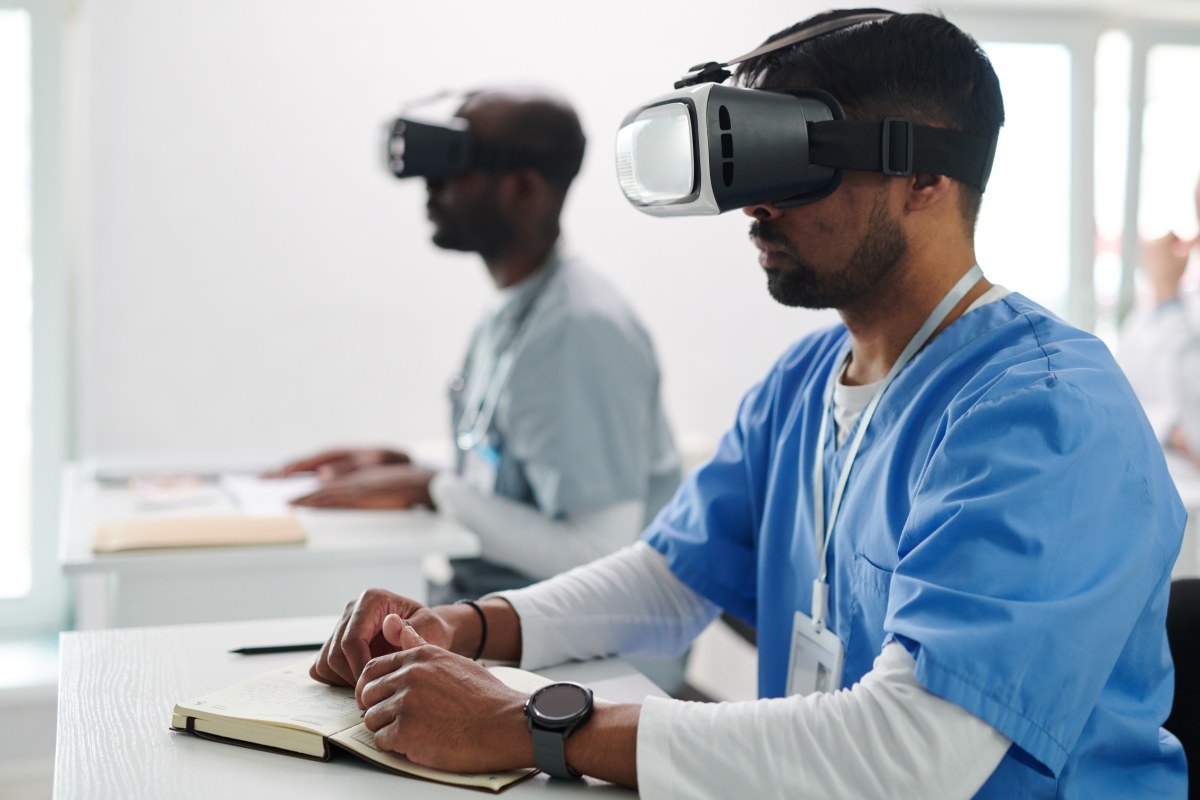
VR simulation allows nurses and students to practice clinical procedures, crisis management, and decision-making in immersive, controlled scenarios. Studies indicate VR improves competency, procedural accuracy, and confidence, especially for rare or high-risk events.
VR also supplements limited clinical placement opportunities and supports ongoing skills development for practicing nurses. It's use demonstrates how technology can enhance both education and patient care quality.
Case Highlights
- A national pilot using an ambient AI scribe showed clinician-reported burnout dropping from 51.9% to 38.8% and reduced after-hours documentation.
- A health system implementing bidirectional smart infusion pump-EHR integration observed substantial reductions in IV medication errors across multiple units.
Implementation Realities and Cautions
Successful adoption of these technologies requires careful attention to human factors. Poor usability, insufficient training, or unclear workflows can create new burdens instead of alleviating existing ones. Privacy, security, and consent must be rigorously maintained, particularly for ambient AI and wearable sensors. Equity is another concern; well-resourced hospitals adopt these tools first, which can widen disparities in care quality. Regulatory and reimbursement considerations, particularly for RPM, also affect feasibility. Institutions must ensure that implementation supports nurses rather than overwhelming them.
Practical Recommendations for Nurse Leaders
- Engage frontline nurses in planning and piloting new tools to ensure workflow alignment.
- Prioritize interoperability with EHR systems to prevent redundancies and errors.
- Invest in training and digital literacy to maximize technology adoption and effectiveness.
- Monitor safety and quality metrics before and after implementation to evaluate impact.
- Include equity considerations to ensure all care settings benefit from new technologies.
Conclusion
From ambient AI scribes to smart infusion pumps, wearable monitoring, BCMA, and VR training, nursing technology is helping reduce administrative burdens, improve safety, and enhance patient care. While the tools themselves offer potential, success depends on thoughtful implementation, nurse leadership, and human-centered workflow design. When effectively adopted, these innovations empower nurses to spend more time on direct care and improve outcomes for the patients they serve.
This is a sponsored article brought to you by allnurses.com in partnership with the advertiser. The views expressed in this article are those of the advertiser and do not necessarily reflect allnurses.com, its parent company, or its staff.