Search Keyword
Topics About 'work-violence'.
Displaying 23 results
-
I am a nurse in an ER that can be (like others, no doubt) both busy and stressful. Last night while working a clerk (I'll call him "G") was talking in a very negative manner about another co-worker who was not there. He was also speaking very loudly. I told him he was speaking loud and that everyone could hear his conversation, that's all I said. This person went off the chain with no warning. He started yelling at me using the most vulgar profanity and told me to "get the F out of my F face." I told him I was at my duty station where I was suppose to be (he was not at his.) I guess that didn't help much and I then added that I was not going to be spoke to that way. I was upset. shocked and surprised but not angry. Then he said "I should beat your F'ing A55." I apologize for the language. I'm not a prude, I hear cursing daily but that doesn't mean I like it. I am just trying to relay the shock and surrealism that hit me and try to give you a glimpse of this persons mental state. After saying that he should beat me he started to stand and I thought "this man is going to hit me" and I took a step back while someone yelled at the guy to stop. I then removed myself from this mans immediate area. This was witnessed by several people. One who was quick to tell me that if this man got fired he would lose his pension. A few facts: -This person is nearing retirement age but is a big guy, much bigger then me. -I've told my significant other that if anything ever happened at work, like G bringing in a gun and shooting the place up, people knew he was off and did nothing about it. I said this years ago and recently, BEFORE this happened. -I have seen "G" go off on one of the nursing supervisor, cursing her out but not as nastily as he did me. -This person is putting in 60 to 80 hours a week because of lack of help. -"G" is nearing retirement age. - "G" is a hard working, doing above and beyond what his job calls for and is always willing to help out and lend a hand. -"G" is also very high strung and anxious. I was going to let this go but my sig other was very upset when I tried to talk to her about this. She said I should report him. But I am not sure if this is work place violence or not or if that even matters. And my co-works frown on getting management involved in any problems. Now that I think about it, and I can't think of anything else, I feel I should do something but I'm not sure what. I don't want an apology and I don't want punitive actions against "G". He needs help and I am worried about my safety. I am not worried about being hit or "beat up." I am concerning about being shot, stabbed or killed. I am not a wimp but I am worried that I may be labeled as one should I report "G". But things are different now days. People don't just have words or even fight and then drop it anymore. You hear about someone coming back with a knife or gun and shooting up the place. And if I thought this about G before, I can't help but wonder what he may do now. Should I tell "G" that if he gets help I will drop it other wise I'll file a complaint? Soooo, confused on what to do. I want to be sure whatever I do, it is for the right reason and not for any petty impulses or childish hurt feelings. I've gotten some intelligent and thoughtful responses to some other posts so I hope some of you here may have some words of wisdom or advice to help me now. Thanks Irving
-
I've worked at my current job as a FNP for the past 4.5 years. I work in the correctional setting but through a federally funded program. My supervisors are located outside of the prison at the teaching hospital which actually employs me. There is a new administrator at the medical prison who definitely tries to micro manage everything. Unfortunately it's a bad case of nepotism. Someone she was friends with moved up and over to the correctional setting and then promptly moved her up as well despite the fact she had no correctional health experience and she was over a practice not a whole prison hospital. My clinic is funded federally for inmate care, but I am not an employee of the prison system. I work for the infectious disease department at the local teaching hospital but the clinic is located in the prison. I work 10 hour shifts monday through Thursday which is the usual shift for the department of corrections providers in the state. Inmates are not transported on fridays and I see inmates from all over the state. It's never been a problem but of course the prison administrator wanted to change that once she found out. She stated I could help the prison out by "auditing" charts of the inmates who have been hospitalized since I had hospital access. I explained to her that this was very illegal as I had no part of the inmates care plus I'm not even a prison provider so I wouldn't know what policies/protocols they'd have in place. She now has requested I clock in/out despite being an exempt employee. I went to HR but they're saying someone else who is salaried does it so it's not discrimination or harrassment. The administrator over me at the hospital is a good friend of hers as well and is not having my back at all. My supervising physician and the department chief physician do have my back and have even threatened not to send anymore staff out to the prison should I leave. They begged me not to leave so I rescinded my 30 day notice which I placed after an unprofessional altercation by the prison administrator. I started clocking in/out because my administration told me to do it and things would settle down. They haven't!!! The lady actually is sending me the tallies of my clockings. I work in a correctional institution and we have to pass through security points prior to getting to the time clock. I have to be buzzed in through at least 4 gates/doors which takes 15 to 20 mins to get through due to the influx of employees at that time. She sent me an email stating I had "9 hours 37 mins" one day and I just feel shes using this to have a reason to continue legally harassing me. I am salaried and she does not even sign my time or approve my days off. I know her whole reason for requesting I clock is because she wanted to have that small form of control. 50+ employees have left the prison since she started including 3 out of the 4 NPs/PAs they had. I feel she wants me to assist with where the prison is lacking but that's not my problem. My company rents space in the prison but we are not under the prison in any way. I dont get it. I dont feel like I'm going to be fired, I just feel shes using hostile tactics to get me to quit. What do I do?
-
Nurses want to help people and to do that they place themselves in vulnerable positions. What happens when the nurses experience workplace violence? Dangers on the Job Nurses face many dangers on the job: from exposure to communicable diseases to high nurse/patient ratios to other staffing issues. However, one topic comes up consistently as a top concern - workplace violence. A group of nurses from Lakeland Healthcare System tackled this topic via a poster presentation at NTI 2019 in Orlando, Florida. Mary Watts, BSN, RN, allnurses.com's Content and Community Director led a forum on this topic to further discuss their research. Members of the group included: Han Estep, BSN, RN Kimberly Walker, MSN, APRN, AGCNS Lauren Morata, DNP, APRN, CCRN, CCNS Thaisha Soler, ASN, RN Leslie Wood, BSN, RN, ONC Morgan Perkins, BSN, RN What Qualifies as Workplace Violence The leading question was "what counts as workplace violence.” Is it spitting, hitting, pushing, being verbally aggressive? Do we, as nurses "excuse" workplace violence? Some of the comments included: " Well, they are sundowning and don't know what they are doing.” "A traumatic brain injury can make people act out.” "We must be doing something wrong, otherwise they wouldn't act this way.” "It's in our nature, to put the patients first.” The panel also discussed that some diagnoses lead patients to act in a way that is not their norm. However, Han also mentioned, "the culture is sometimes that of not reporting it because we didn't get physically hurt, so it doesn't really count.” Another member stated, "it might not be reported because we (the nurses) don't want to get in trouble.” De-escalation & Deterrents They talked about de-escalation techniques but admitted that sometimes, "we start to de-escalate at the physical level but we really need to start when the verbal interaction escalates and not wait for it to get physical.” Their poster presentation also highlighted steps that facilities can take to deter workplace violence including: Staff education related to de-escalation techniques Adequate security staff presence and the ability for quick response anywhere in the facility Signage that workplace violence, to include verbal confrontations, will not be tolerated Leadership must be on-board with the initiatives State Laws Laws have been enacted in many states making workplace violence against healthcare workers a felony. In Florida, where these nurse work, it is only a felony to assault a healthcare worker in the ED or clinics. Other in-patients units do not have this protection. The American Nurses Association lists the following states' workplace violence law summary (updated June 2019): No one wants to feel vulnerable at work. Constantly being on the offensive is not where most nurses operate. This forum of nurses from different units speak to the widespread issue of workplace violence. We must have a line in the sand of what is acceptable and not acceptable in the workplace. What is occurring in your workplace? Does your state and facility prosecute patients and/or visitors? What type of education have you had to prevent or de-escalate incidents?
-
In 2018, TIna Suckow, a 49-year old nurse, was brutally beaten by a patient at a state mental facility in Iowa. Suckow had been employed there for over 4 years when the incident occurred. A "code red" alert was issued, and multiple staff members responded, one of whom was Suckow. A patient, who is said to have been in a manic episode, was throwing furniture and threatening physical violence. Staff members brought in a "turtle shield,” an assault-protection device the facility had recently purchased, but not yet trained staff to use. Shortly after this device was brought out, Suckow became trapped between the shield and the patient. She was then beaten unconscious and hospitalized with injuries to her shoulder, knee, and head. She has undergone several surgeries and continues to need medical treatment today. During the incident, officials at the facility didn't call law enforcement to investigate the situation, which has left Suckow feeling like a target. "I'm not the criminal here,” said Suckow, "I didn't do anything wrong.” The Nursing Director at the facility, Georgeanne Cassidy-Westcott sent an email two days after the incident informing staff about the opportunity to use the "turtle shield" and stated that while they had not trained on the use of the device, it was "fairly effective" when used in this situation. Suckow contends that during her time off, she was not treated fairly. She reports that other staff who were off for medical reasons were allowed to send in paperwork electronically. However, Suckow was required to make a two-hour round-trip drive to deliver her paperwork in person. After her federally mandated time-off ended, Suckow made two requests. First, she requested catastrophic leave, which would allow other employees to donate sick time so that Suckow could extend her time on payroll. This was denied. Her second request was for time off without pay. However, the state rejected this request as well and is protected to do so under a 2017 state law that limits government employee unions to negotiate on the employees' behalf for anything except pay. According to a ucomm blog article, the union reports that terminations and forced resignations have tripled since the 2017 law went into effect. Some people in Iowa believe this number is low because it doesn't account for state workers who have been forced to resign and others who like Suckow, have been injured on the job. In fact, Suckow's state employment record doesn't even list her as being terminated. Another result of this legislation is that hospitals are now struggling more with being understaffed, which places patients and workers at risk of more safety concerns. Danny Homan, president of the American Federation of State, County, and Municipal Employees Iowa Council 16 told the Des Moines Register, "Any reasonable human being should have concern because if it's OK for the state of Iowa to treat workers this way, then Casey's can do it, Ruan can do it, any employers in the state of Iowa can do it.” Even in light of this horrific situation that Suckow has endured, lawmakers still support the 2017 law. State Rep Steven Holt, helped to get the bill passed. He believes the changes have created a fairer balance between workers' rights and government operations. He told the Des Moines Register, "There are plenty of horror stories to go around in the old system as well.” Holt also believes that a connection between unfair treatment by managers can't be tied to the law. Should lawmakers and citizens of Iowa accept the 2017 law because it's not "worse" than the previous law? Or, should the union and the employee have more rights in this situation?
-
Healthy workplaces are essential to keeping nursing staff. There are several steps to achieving this and all steps are important to achieving excellent patient care. Nancy Blake, PhD, RN, CCRN-K, NEA-BC, NHDP-BC, FAAN has been at the forefront of healthy work environments since its inception. She has been very involved at both the national and local levels. Mary Watts, BSN, RN, allnurses.com's Content and Community Director was fortunate to visit with her recently. There have been research studies and several papers published that state improving communication is key. What Defines a Healthy Work Environment? Hospitals recognize that a healthy work environment encompasses six points: Communication - between all levels in the facility, from the Chief Nursing Officer to the transporters to housekeeping to dietary Collaboration - among all teams in the hospitals Staffing - adequate and individualized staffing matrixes Effective decision making - researching the problem and bringing a variety of solutions to the table for discussion Authentic leadership - managers and leaders who come to the bedside to talk to staff Meaningful recognition - for all members of the team Safe Staffing Those are the primary elements. Nancy Blake then honed in on safe staffing. Acuity tools need to be used to ensure the experience level of the nurse as well as their training matches the patient acuity. "Also ensuring nursing competency is very important,” she continued. How is the Safe Number of Nurses Determined? She went on to state there are many different factors to consider when using an acuity tool. This involves making sure you have the right numbers for the right patient acuity. Patient acuity means making sure you have the right number of patients to the right nurse. The nurse needs the skill set to care for a particular patient as it relates to their medical condition. There are times where a patient needs two or three nurses. "It's really important that nurses get refreshed during their shift - take their breaks.” Staffing is not a one-size-fits-all matrix. Even in an ICU, patient acuity must be taken into account. "I'm not a fan of ratios, it needs to be individualized.” "Actual acuity depends on the patient.” What Can Nurses Do to Improve the Work Environment? They next discussed what nurses can do to improve the care situation: Have a positive attitude that the situation can be changed. Provide feedback to administration regarding concerns. Talk with your manager and then go up the chain of command if needed. Be a team player. Important to realize that you are not alone - you are part of a group. For managers - please listen to the bedside nurses. Help them to succeed and ultimately provide the care your patients need. Realize that you need to consider many factors when determining what nurse or nurses are taking care of which patient. How does your facility work to provide you with a safe work environment? What could be done to improve the situation? Do you feel comfortable going to your leadership team to try to find solutions? References: Programs that Support a Healthy Work Environment The Healthy Work Environment Standards, Ten Years Later Appropriate Staffing for a Healthy Work Environment
-
Nurses across the state of Illinois are demanding change. While Illinois House Bill 2064 aims to deliver nurse staffing ratios, nurses speak out to raise awareness of a variety of patient and staff safety concerns. Channel 5 Chicago aired an interview with five nurses who had a lot to say and as the anchor pointed out, “a lot to fight for.” The union nurses interviewed work in Chicago’s intensive care units, emergency rooms, psychiatric units, and beyond. One nurse stated, “there is no margin for error in nursing, it can be life or death.” But, what happens when the life being threatened is the one that put on their scrubs with the sole purpose of helping? They discussed patients who came to the hospital needing care for critical issues like gunshot wounds and drug and alcohol ingestion. As they discussed their typical high acuity assignments, the anchor asked them to raise their hand if they’ve ever felt threatened while at work. It’s probably not surprising to know that all five arms went up in the air. Whether it was a knife, a verbal threat, or having phones and other devices thrown at them, these nurses all shared one thing in common - violence at the hands of those they care for each and every day. One of the nurses reported that she’s even had to press charges against a patient. Chicago hospitals have been the site of horrific crimes, like the one that played out in November of 2018 when a gunman killed a doctor, pharmacist, and police officer at Mercy Hospital on the south side of town. In 2017, an unshackled inmate took a nurse hostage at the Delnor Hospital. While a correctional officer slept, the inmate obtained the officer’s gun, took two nurses hostage and then raped and tortured one. When officers shot and killed the inmate, one was also shot. As the interview shifted from violence to nurse-patient ratios, both the men and women reported seeing nurses with up to nine patients at a time. They’re fighting for set nursing-to-patient ratios similar to the ones seen in California. The Illinois Hospital Association believes this request is a “one-size-fits-all” remedy that won’t keep the nurses or their patients safer. They think it will actually increase costs and limit the number of services available. Every single nurse said that striking is something they will do to get the changes they need, but also adamantly stated that they can’t see themselves doing anything else. When they spoke of patient successes, their faces lit up, and their expressions showed a sense of pride and accomplishment. What Will it Take?Nurses across the country are fighting for safe work environments that allow them to provide the care they feel their patients deserve. As more hospital violence happens and patients are put at a higher than usual risk of adverse outcomes, many nurses are wondering just what it will take to get the changes needed. If the governments aren’t willing to step in and mandate change, will it ever happen? What do you think? For a news video of this story go to Nurses Tell All.
-
I don’t remember hearing anything about Carlie’s murder last January, but her community of nurses did. On January 25, 2019, in the parking garage of a Wisconsin hospital, Carlie was kicked in the head over 40 times and then left to die under a car in the early hours of the morning on January 25, 2019 (O’Reilly, 2019). It was so cold that her skin froze to the concrete (Harris, 2019). She left work at 1:00am, was found at 3:43am by a snow plow driver, and tragically died at 4:21am. Carlie died a slow, torturous death - Alone (O’Reilly, 2019). As I read Carlie’s story, and how she died, it weighed heavy on my heart. I pictured someone I know falling victim to such a brutal death and my stomach squeezed so hard that it hurt. Was Carlie conscience, did she lie there thinking about her husband and family. How much pain did she suffer while her tears went unheard. With any act of violence, we try to rationalize it - we try to make sense of it. But the circle of thoughts that we continually play in our minds about something irrational cannot be rationalized. Nurses often are on the receiving end of abuse, and those feelings and memories stick with us forever. Not to mention our individual histories and personal experiences with abuse that we bring with us everyday. The ones that have shaped us and have developed how we respond to abuse. Any abuse - verbal, sexual, physical, or mental is immensely personal, it touches and shapes our souls. The abuser tries to steal our joy and our sense of safety, but it’s time we as nurses stop putting up with workplace violence. According to Bankole K. Fasanya and Emmanuel A. Dada, in their article, “Workplace Violence and Safety Issues in Long-Term Medical Care Facilities: Nurses’ Perspectives”, that on a daily basis, two people are killed as a result of workplace violence, and 87 are injured (2016). This statistic covers any field of work, however, the healthcare field takes credit for a large majority of those numbers. In fact, in the article, “Educational and Managerial Policy Making to Reduce Workplace Violence Against Nurses: An Action Research Study”, it tells that we as healthcare workers are victim of almost 74% of the abuse inflicted in the workplace (Hemati-Esmaeili, Heshmati-Nabavi, Pouresmail, Mazlom, & Reihani, 2018). Workplace violence can be verbal, emotional, sexual, or physical and most nurses have experienced one or more forms in the span of their career. Abuse can come from a peer, superior, doctor, patient, or family. Certain fields of nursing suffer higher incidents of abuse such as the Emergency Department, Long Term Care, and the Psychiatric wards. A large percentage of these events are not reported. The reason may be that there is a feeling that nothing can or will be done, or that there will be retribution for reporting. How can we, as nurses advocate for ourselves? We need to empower ourselves and our fellow nurses and learn what our choices are and what is being done about workplace violence. A bill was introduced February 19 this year by Representative Joe Courtney. He represents Connecticut in the House of Representatives since 2007. This bill - H.R. 1309 will require the Department of Labor to look into violence in the healthcare field. It is asking that requirements be set to educate healthcare workers on how to de-escalate violent situations, and recognize the signs of impending violence. Also, it asks that each incident be investigated as soon as possible in order to get the most accurate information. Nurses often do not feel comfortable or safe reporting incidents of workplace violence. They fear retribution, prejudice, or even losing their jobs. This bill will allow them to report concerns and events privately and without punishment. What can we do?Contact your state Representatives and Congressmen/women and ask them to support this bill. Tell them that is is essential that something be done to protect us. If this becomes mandatory, turnover will decrease, morale will increase, and the culture of the healthcare field will greatly improve. The perception that nurses are expected to endure a certain amount of violence needs to be eliminated (Fasanya, 2016). Thank goodness the majority of workplace violence cases are nonfatal. But one fatal incident is too many. Share your stories with the allnurses community.References Fasanya, B., & Dada, E. (2016). Workplace Violence and Safety Issues in Long Term Medical Care Facilities: Nurses’ Perspectives. Safety and Health at Work, 7(2), 97-101. doi: 10.1016/j.shaw.2015.11.002 Harris, C. (2019). Dying Wisconsin Nurse Found Frozen to Ground was Allegedly Targeted by Former Parking Valet. People. Retrieved from https://people.com/crime/slain-wisconsin-nurse-was-allegedly-targeted-by-valet/ Hemati-Esmaeili, F., Heshmati-Nabavi, F., Pouresmail, Z., Mazlom, S., & Reihani, H. (2018). Educational ad Managerial Policy Making to Reduce Workplace Violence Against Nurses: An Action Research Study. Iranian Journal of Nursing and Midwifery Research, 23(6), 478-485. doi: 10.4103/ijnmr.IJMNR_77_17 O’Reilly, M. (2019). Murder and Me. Medscape Nurses. Retrieved from https://www.medscape.com/viewarticle/917203
-
Warning: graphic content contained in the beginning of this article. To avoid it but still read the main part of the article, scroll to below the quote box. {End of graphic content.} You’ve probably noticed that violence happens a lot where we work. Healthcare, in general, has the highest incidence of non-fatal workplace violence out of any other industry (almost combined), including law enforcement. In Jessica’s case, psychiatric technicians and aids are at a higher risk of violence than any other role. Data gathered by BLS paints a grim picture of what we face when we go to work: it is dangerous there. In state-run hospitals, assault is the number one cause of injury requiring time away from work. In private and local hospitals, assault is the third leading cause of injury leading to time away from work. Let’s bring this back home, though. The statistics are staggering. The evidence is there. We know this; we’ve experienced this. Let’s talk about what is right in front of us now. Let’s talk about YOU. Have you experienced violence while working in healthcare? What happened the first time you were assaulted at work or witnessed violence? Was it the patient who assaulted you? Were you injured? Did you contact the police? How well were you treated by your employer after? Did you receive workers compensation? Did you take time off? More importantly, how are you? Have you healed? Not just physically, but psychologically — are you better now? I am Angela, and I am the National Director of Silent No More Foundation. We are working on elevating this conversation in meaningful ways. We hope that by being #SilentNoMore, we can build a movement that ensures violence is actively prevented, the severity of assaults are reduced, and the victims receive adequate support and protection from employers after. This is our first of hopefully many posts and articles to come. We’re looking forward to getting to know you all!
-
-
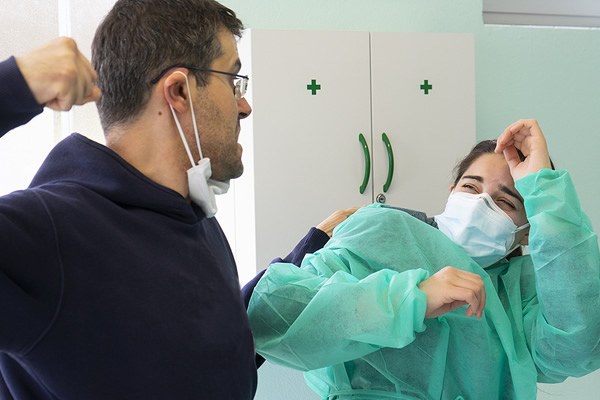 The Texas Nurses Association announced in May 2023 that three Texas Legislative bills were passed to crack down on healthcare workplace violence. Violence in the United States has increased at alarming rates in the past few years. Workplace violence against nurses, in particular, is a critical threat. Many hospitals reported an uptick in violence that started during Covid and has continued to escalate. Shootings Spark Texas Legislative Bills These three Texas bills were passed in response to the horrendous shooting at the Methodist Dallas hospital that occurred in October 2022, in which a nurse and a social worker were killed. The prevalence of workplace violence (WPV) for healthcare workers far exceeds that of any other industry. Per the U.S. Bureau of Labor Statistics, workers in healthcare and social services industries are five times more likely to be injured than workers in other industries. WPV can include anything from threats to verbal abuse to physical assault, even homicide. From 2011 to 2018, the rate of injuries from violent attacks against medical providers increased by 68%. What the Texas Bills Include SB 840 is named the Jacqueline "Jackie" Pokuaa and Katie "Annette" Flowers Act in memory of the social worker and nurse shot and killed at their place of employment. This bill increases the penalty for assaulting any healthcare worker from a misdemeanor to a felony. Earlier legislation offered this type of penalty only for nurses working in the emergency department. SB 1004 increases the penalty for removing an electronic monitoring device if the individual was ordered to wear one as part of community supervision, parole, mandatory supervision, or release on bail. In the Methodist Dallas Hospital attack, the criminal who shot the healthcare workers should have been wearing an ankle monitor but cut it off before going to the hospital. SB 240 is named the Workplace Violence Prevention Bill. It mandates the following: that a workplace violence prevention plan be implemented in healthcare facilities; that a facility committee be formed; that WPV data be tracked; and that annual WPV training be conducted for employees. The committee must include at least one nurse whose role includes direct patient care at that facility. The bill also includes a process to protect employees from retaliation by the facility for reporting incidents of WPV. What Legislation Still Needs to be Passed At the Congressional level, the Safety from Violence for Healthcare Employees (SAVE) Act (H.R. 7961) was introduced in June 2022 which aims to provide federal protections for healthcare workers experiencing violence and intimidation in their workplace settings. It also provides funding for implementing workplace violence prevention programs, coordinating with law enforcement, and improving security and technology to provide a safer environment. The Act is currently in the Subcommittee on Crime, Terrorism and Homeland Security. To support this act, contact your U.S. representative today to ask them to cosponsor H.R. 7961. By taking a stand together, we can make the workplace safer.
 -
 Guest posted a topic in Career Advice ColumnDear Nurse Beth, I am a Traveling Nurse. I genuinely love what I do. I take assignments that are in the psychiatric setting. On August 1st when coming on for my 7p to 7a shift; my charge nurse and I received the news we were getting a Covid positive patient. We were given the bare minimum for as far as PPE and we were told we wouldn't have a tech until 11pm. So two Nurses with a Covid positive patient and other patients to attempt to keep safe. It was a rough night. On that following morning the patient woke up early, I'm in our med room trying to chart when I hear some commotion going on out in the common area. I go to assist the only tech with the patient. The patient began to escalate. Throughout the night my charge nurse would call our adult unit that had males plus the security officer...they all refused because of the Covid positive patient. As the patient became more aggressive he began to beat me in the face causing it to become bloody and swollen, loosening several teeth that had to be extracted ,also received a knee injury because I was pushed down. My knee is now in shreds every ligament has a tear both meniscus torn. I know Covid 19 is scary but no matter the situation the patient still requires care. We go through a lot as Nurses but in my 20 year career I have never been attacked. An assault that could have been avoided. A police report was never filed. The facility did not follow its own protocols and procedures. No incident report was done or sent to the state. They have yet to collect any witness statements including mine. Incidents happen like this all the time. The employees report them and it's like "oh you got punched in the nose, but can still cover your shift" which I actually did when this happened to me. I continued to work bloody face and all because the so called help refused to come because the patient was Covid positive Basically everything is being swept under the rug. Pathways presents to the public as this new innovative psychiatric hospital. Trust me it not. I want to find out whom do I report this to. I've been on the hunt since it happened.
 -
I will go ahead and state that this may be a sensitive topic, so please forgive me ahead of time if I offend anyone, it is not my intention. I just need some advice from people who may have experienced the same thing I am. This may get a little long-winded. I am a new grad nurse who just took a position as a charge nurse on a post-acute unit. I absolutely LOVE my job from a clinical standpoint. I love my patients, and the environment is ever changing so it keeps me on my toes. I learned more the first day on the floor than any clinical rotation during school...which is awesome! That being said, my work environment is hostile. I'm the new kid on the block, and I get that there will be people who don't like me no matter where I work, but this feels like more than that. I am Caucasian, one of only two Caucasians who work on this unit. There is one particular tech who has been here since Jesus was a baby, and she makes my life hell. No matter how politely I ask her to do something, she refuses if it's not something she wants to do right then. Ugh. I've offered to help her in completing certain tasks in an effort to establish that I am not "that nurse" who feels that I am above the work that techs do...still didn't matter. She gives me an attitude, raises her voice above mine every time I speak and just flat out disrespects me any opportunity she gets. She and I had a disagreement about the way she spoke to a patients family. The family came for a compassionate care visit to see their loved one who was dying from covid complications. This tech was rude, disrespectful and basically made a heartbreaking situation more difficult for this family. I pulled the tech aside and asked her to let me handle the family from that point forward. After the family left she proceeded to attack me and claimed that I think I'm better than her because I am white. Wait, what?!! How did this become a race issue? Since then there is tension with everyone I work with. I've had several other nurses and techs approach me and ask me if I really did call her the "N" word (which is a term that I have never and will never use or be OK with). The nurse who is on the same rotation as me for night shift is close with this tech. Since the disagreement, the night nurse has gone above and beyond to make it known she does not like me. She leaves nasty notes instructing me to do things, she will chart pertinent information about patients and claim she gave report to day nurse, but actually doesn't tell me about it. She throws me under the bus any chance she can. There's much more, but that's the gist of it, and it is making the stress of being a new nurse so much worse. I've attempted to speak to both the tech and the night nurse, and that made things so much worse. I went to management and nothing changed. I actually had one manager tell me it's best if I just keep my head down and mouth shut to avoid conflict. Seriously?!! I'm to the point where I would almost rather play in traffic blindfolded than to come to work. Here in lies the issue... I signed a 2 year contract with a sign-on bonus (which I cannot afford to pay back right now). What else can I do? Has anyone else been in a similar situation where you feel like your voice isn't being heard because of your race, religion, gender etc.?
-
This is a good article I saw on USA Today, it was on their homepage for a few hours before it got bumped for something else (we are just nurses after all not that newsworthy). The article does well showcasing example of violence towards nurses in hot spot areas ER, ICU. However I do wish they would have interviewed a psych nurse, god knows we come across plenty of violence. We all know though, that regardless of your specialty that nurses are victims of violence and it's an issue that really needs more attention. Hailed as heroes, hospital workers for years have been bitten, hit, kicked. And ignored.
-
I'm a college sophomore a with nursing major, plans to eventually pursue a CRNA. From what I've been reading on this forum, it seems like nurses back stab each other a lot. Is this the case or am I getting the wrong picture? If so, does this kind of childish behavior actually affect peoples jobs and get them fired?
-
I sent the ANA - California chapter an e-mail about my story, my experience of workplace violence. Initially I was requesting if any change could be done to my probation. They gave me a generic response and while I knew it was expected, I was honestly pissed off. So I followed up with another e-mail. No response again. Sent another e-mail. I sent another e-mail asking again to speak to someone about my experience and be a part of the change. Honestly if I feel like I can't talk to the ANA about my experience.... what's the point of keeping the membership? connections? it's almost like I'm lying to myself. Has anyone dealt with wanting any form of representation as a nurse and gotten little to nothing in response? This is mainly me ranting - admin feel free to delete if inappropriate. (MODERATOR REMOVAL OF IMAGES CONTAINING IDENTIFYING INFORMATION OF STAFF)
-
Hello, Three professors have accused my entire cohort of cheating. They have not named these students or launched an investigation, but one of the professors said they do NOT have evidence, so if this “person(s)” can just identify themselves, it would be easier on them. So for the meantime, they are punishing everyone. They have repeatedly threatened the cohort in every chance they get. We noticed that the exams start to not make sense (well, I guess that’s just nursing school in general), written in long paragraphs, that the time allotted is not enough, so we are just rushing everything. This school was private and was acquired by a public university. I’m really fed up with these professors using their power, their threats, and branding my cohort as “cheaters”, spreading false rumors around, that the learning environment has turned hostile and it’s making most of us depressed. I happen to know the one of the Board of Visitors of my university, and I want to escalate, just bypass the Dean or nursing faculty with my complaint for fear of retaliation. Has anyone experienced this before? I apologize for my rant. I’m just really upset
-
Retaliation after reporting violation: A. immediately reassigned against my request to a unit that exacerbate my anxiety. X2 panic attacks. and my regular schedule. B. Few weeks later false accusation made failure to report abuse on a shift I did not work. DNS refuses to verify, tells me these are very accusatory.. tells me it's closed C. investigation by the doh started... Then after, facility denying that they have any statements only paraphrased statements by the DNS. Says I was only asked to assist and my statement never provided to Investigation. D. Gave notice of violation to corporate. I received degrading emails from another Corporate person denying my retro (request prior to all this). These emails were forwarded to corp compliance a day after I sent notice of violations. Never heard back from compliance. Only further harassment from HR corporate. E. I was not allowed to report to my shifts until I met with corporate (which with a witness), was only to offer me retropay if I stopped asking about the false statements. F. Shift due back corporate emails me hour before informs me that my assignment will not be changed and my concerns are unacceptable. * This would put me sharing a assignment with the false accusers. ** had to involuntarily resign, effective immediately. would you feel safe to work? Do you think as a nurse you could continue in this environment??? I have charges open with EEOC and state now. Would you continue? Is this hostile work environment? Discredits, degrading, and this being top superiors of the company.
-
Dear Nurse Beth, I'm in need of advice. I have been a nurse for 16 years. I have made some poor life choices in the past that lead to being in the Diversion Program, which I completed, and now sit on the committee as a Board member. For the last four years, I have worked in the Preop/PACU and most recently in the OR as a circulator. Management put a lot of weight on the surgical techs judging the RN's performance. One tech, in particular, was always condescending and like to discuss personal life (partying/drinking) in the OR. This guy just rubbed me wrong, but I made up my mind to not judge, listen if he had useful information, etc. I had an incident recently. During a surgery, the surgeon asked me to fetch an instrument. I did, but above surgical tech happened to be in the sterile supply room. He was in the aisle I needed access to. I said, "excuse me, I need to get through". He begrudgingly moved. I went in aisle and obtained what I needed only to turn around and find him blocking my path back out. Repeatedly asked to get by to no avail. I finally placed my hand on his shoulder to redirect him. I never pushed, shoved, etc. As I left room, he yelled, "Don't ever touch me again!” After the case finished, I went to my charge to let him know of the encounter. Eventually, the director called me to her office to explain what happened, which I did. She then mentioned talking to the surgical tech to get his side. At the end of the day, I was called back to the director's office. There I discovered I was being written up. I read what she put and in it; she stated I "shoved" him! I completely disagreed with what she wrote, which she stated I didn't have to sign and could write what I felt like on the back. I did this making sure to mention I disagreed with "shoving" other employees. I obtained a copy and left for the weekend. After work on Monday, another surgical tech caught me and asked how I was feeling, as she had heard his ranting and raving the previous Friday and that I had gotten into trouble. I told her how unfair it was. I did say I was joking but was very upset with the write-up and felt he was weak, "expletive". To this, she agreed but said I should be careful so as not to get HR's attention. I said I was only venting as she had asked me how I was feeling. Not long after I had left for the day, HR did call me to say they were suspending me pending an investigation as the complaint was now elevated to "workplace violence". I was dumbfounded and also regretting venting. I was ultimately let go. Unfortunately, HR didn't give me a "reason for being let go", so I'm unable to complete unemployment paperwork. I took a loan out on my 401k and am living off that. In the end, this hospital has flagged me as "not eligible for rehire". I am seeing now how my past DP participation and now this is just flagging me as a "bad employee", but I'm a good nurse and have loved this field for as long as I can remember. I'm feeling humiliation and shame. I've been searching for work, and so far have only had one interview. I did share that I was let go. First, how should I approach prospective employers? I have a lot of negative information against me right now. I did reach out to fellow coworkers and even a doctor. All of whom have written me wonderful letters of reference. Second, should I even bother advancing my education in nursing or leave this field completely? This is a small town, and I'm now currently barred from 3 of the 4. I feel so defeated. Any advice would be helpful. Dear Defeated, This is a "he said, she said" where they took his word over yours. There was no one there to witness the event, so there's your story and then there's his story. Somehow he was believed, or they decided he was the more valuable employee, and they were going to back him. It's unwise to ever touch another employee as it can escalate to exactly this. HR and risk departments nowadays are not going to look the other way when there's an allegation of "workplace violence". Meanwhile, it's ironic, because his blocking your exit is aggressive and could also be considered workplace violence. While this feels devastating, hang in there. This, too, shall pass. What's important is to reflect on what part you had in the conflict, so you can understand yourself moving forward and have success in the workplace. Be sure not to "vent" and manage your emotions professionally. Learn your triggers and let them be your cues that you are in danger of reacting. You love nursing and have 5 years of peri-op and OR experience. You are still marketable. You've overcome diversion, and you can overcome being terminated. When asked about previous employment, just say "it wasn't a good fit". Do not defend yourself or even explain.
-
The number of hospital-related shootings has consistently increased over the past 10 years. Once thought of as “the unthinkable”, active shooter events can happen anytime, anywhere in any healthcare setting in today’s world. In 2016, OSHA updated healthcare safety Rule 3148, "Guidelines for Preventing Workplace Violence for Healthcare and Social Service Workers", in response to rising active shooter threats. Every healthcare facility is now required to incorporate an active shooter incident plan into its emergency medical response plan; taking into account the facility’s size, different departments, geographical setting, patient access, available security and exits. Healthcare’s Unique ChallengesThere are unique challenges in preparing and responding to active shooter events in healthcare settings. A hospital may have hundreds to thousands of patients every day and in many different departments. In addition to high patient volumes, other challenges include: Potentially large and vulnerable patient populations (i.e. immobile, elderly)Increased number of entrances and exitsNurses and staff feel compelled to stay with patientsHazardous materials and locked unitsThe large magnets in MRI machines can cause issues with firearms or even remove it from the hands of law enforcement. Christina Catlett, MD, associate director of Johns Hopkins Office of Critical Event Preparedness and Response, reports hospital shootings tend to be more targeted, “where the motive was grudge, or suicide, or euthanizing an ill relative”. 3 Protective Skills You Need to DevelopDavid W. McRoberts, CPP, is a retired police captain,, a security consultant and co-author of the course “Active Shooter Event in a Healthcare Environment”. McRoberts shares three personal protection skills nurses need to develop into habits for responding to an active shooting event. Situational AwarenessBe in tune with your surroundings, knowing exactly where you are, where you are moving to or from, and what exists around you in terms of your realistic ability to react to what is taking place. It Can Happen AnywhereAs nurses, we must acknowledge the “unthinkable” and bad things can happen. Nurses should not work through each day paranoid, but just know, it can happen anywhere and without warning. See the ThreatNurses need to develop the habit of looking for threats. And, when they see a threat, have the ability to suspend disbelief. McRoberts emphasizes the importance of nurses not “becoming paralyzed with shock and fear and fall victim simply because they never once even considered the fact they would need to function in a moment of the gravest extreme”. Life Saving Questions AskedIn an article published in MedPage , McRoberts answered 3 common questions nurses ask when raising awareness about active shooting events. What Do I Do When Shots Are Fired?Nurses have an ethical and moral responsibility to care for others. Therefore, the answer to this question is not always easy to answer. Active shooting events last about 2 minutes (on average) and victims can be specifically targeted or random. McRoberts believes it is essential to create or increase the “reactionary gap”. There are several things that nurses need to understand when creating distance or cover from the threat: You may need to leave the immediate area of patient care and return to patients when the threat is overShooter’s objective is to kill people and nurses remaining immovable will likely become victims It is better to move away and return to patients when the event is overDo I Interact?As professional caregivers, a nurse’s first reaction in a shooting event is to help the injured. However, in many reported events, nothing stops the killing until the shooter stops or is stopped. Therefore, it is unlikely that a nurse could effectively plead or reason with the shooter. How Do I Keep a Clear Head?Developing your personal protective skills is the best way to prepare for an active shooter. Each skill provides action items for the nurse, providing the best chance to survive. Also, consider the body’s response to high stress, such as altered perception of time, temporary loss of hearing and loss of fine motor skills. Our physical reaction diminishes the ability to cope under duress. However, it is possible to develop our ability to function through the high stress of an active shooter event with practice. McRoberts suggests activities to practice under simulated stress, such as finding and climbing nearby stairs, then calling someone and clearly describing your location. Practicing these simple actions will help nurses build the skills needed to protect themselves and others. Important Take-awaysHere are a few summary pearls about what nurses should and shouldn’t do in an active shooter event. Look for and acknowledge the threat and then react to it Don’t panic and freezeAlthough the event’s timeframe will be perceived as very long, remember it will take only about 2 minutes.Be confident, knowing you can function through the eventKnow your surroundings and where to move for safety.Know what information needs to be communicated to othersIncluding what is required by your facility’s policies and proceduresKnow you may need to move more than onceDon’t try to negotiate or plead with an active shooterWhat training has your facility provided to prepare you to respond in an active shooting?Did any of the training include simulation?Additional ResourcesFBI Publication- Active Shooter Planning and Response in a Healthcare Setting Article- Why is it Difficult for Hospitals to Address Active Shooter Threats National Center for Biotechnology Information - Stat-Pearls: Active Shooter Response
-
"What if we hire more security at night?” This suggestion is a natural conclusion that many people suggest when discussing violence in hospitals. This particular person was Congressman Dutch Ruppersberger (D-MD), and we were speaking in the weeks following a (false alarm) active shooter incident at Walter Reed National Military Medical Center. Around 2:00 pm on November 28, 2018, an active shooter alert was called at the hospital. This alert and the panic that went with it lasted an hour and a half while occupants of the building sheltered in place. The disruption from this event was caused by an error in the usage of a mass notification system. During the lockdown, though, no one knew it was a false alarm, not even law enforcement. Given the recent history of mass shootings and active shooters in hospitals, the possibility of something like this being real likely was questioned by no one. In retrospect, it seems reasonable to assume a larger number of security officers with tighter, more thorough security methods, might prevent mass shootings in hospitals. There is, however, a pressing issue when it comes to workplace violence in healthcare: even if security is called, assaults often happen before security arrives. When they arrive, the damage is already done. One recent story shared with us by a Silent No More members illustrates this well. A nurse in the ED was hoping to get labs from a sleeping patient. The nurse decided to pull blood from the patient's IV instead of waking the patient for a needle stick. A patient care tech (PCT) was there to assist. As the automatic cuff inflated, the patient awakened and kicked the PCT in the face using both feet. As the nurse attempted to block the next kick, the patient bit her. The patient held onto the nurse with her biting teeth, then grabbed the PCT by her hair. In the aftermath of that assault, it became known that this patient had a history of violence toward staff and law enforcement. This patient was alert and oriented, and not psychologically impaired by a medical condition. This event could not be predicted when it happened. Adding security would not have changed this. This situation required something altogether different. So, then, what is necessary? What does work? The unfortunate truth is that little research data specific to violence in healthcare workplaces exists on this topic. What is clear is that change will require collaborative, multimodality approaches. This is not only about reducing some risk factors. This is not only about hiring more security. This will not only be about legislation. Change requires multiple things. Post-Assault Assessment I am a large believer in looking at each assault and determining from its details what can be done differently next time. I had my own similar experience, much like the above story. A sleeping frequent flyer patient with dementia had a systolic blood pressure over 200. He had been refusing all medications the entire admission, so I took the opportunity while he was sleeping to try an IV anti-hypertensive. I did not realize his IV was clotted off, which woke him up. I was punched in my head before I even knew he was awake. The similarities between this and the other nurse's story is clear: a patient was awakened by surprise, and we failed to recognize that in our focus on what we were doing. This is not something that has been overlooked since. Our eyes remain on the patient at all times. The root causes were clear, and we now are safer in our practice. Determining post-assault what can be done differently, is one of the best tools that a nurse has. However, this cannot be used as an opportunity to blame the victim. Too often, stories submitted to Silent No More Foundation are filled with retaliatory actions taken toward nurses who have been assaulted. This is not okay. Nurses need support when a traumatic event happens. Self-Defense Training Employers can provide self-defense training. This can be very helpful, especially if the self-defense program has experience with self-defense in healthcare. Nurses are in the unique position of being responsible for the safety of the violent patient, in addition to our own. A self-defense training program that recognizes the unique challenges we face can be very empowering. A nurse should know up front the level of force they can use and how to use it if a violent episode becomes inevitable. Potential Weapons Another key factor in deterring assaults is to ensure we do not give our patients or their family members weapons that can be used against us. One brief Google search of nurses being strangled by stethoscopes that hung on their necks will return pages of relevant results. We place syringes on ourselves and on our computers, even when they are not needed. What's worse, we walk away from those syringes or leave them in rooms where patients have access. We also do not consider our position in the room. Do you have a clear path for escape? If a patient makes you uncomfortable, do you bring someone into the room with you? Another personal safety measure: do you communicate risks to the next shift so they can protect themselves, too? Advocate for Change Increasingly, resources are being presented through organizations and OSHA with limited data to support their recommendations. It is important that nurses advocate for the changes necessary for the prevention of workplace violence. If there is one thing to urge no matter your employer's response to these guidelines, it is that each nurse pay attention vigilantly to the patient's behaviors and movements at all times. Ensure weapons are not attached to you or left in the room. Bring someone with you if a patient is at risk for violence. Always prioritize your own safety. If you would like to learn more, find Silent No More Foundation. Protecting workers from assault is our mission. Silent No More Foundation began in June 2017 as collectively healthcare workers all over the country united to say we will be silent no more about violence in healthcare workplaces. Since then, we have collaborated on and impacted legislation, connected victims to resources, developed education, spoken at US and international events, empowered thousands of healthcare workers to inspire change for safer workplaces, and more! Silent No More is on a mission to protect healthcare workers before, during, and after and assault in the workplace through education, awareness, advocacy, and legislation. Want to be part of the movement? Find us on facebook and join the conversation!
-
You go to work each day to save lives. You face obstacles like short staffing and high patient workloads because it's your job. Your family knows you'll be gone for 12+ hours a day and not to hug you until you take off your work clothes, so they aren't exposed to germs. You deal with death, coworkers who aren't always kind, and ongoing operational issues because these things pale compared to the good you know you can do as a healthcare worker. However, having to worry about whether or not you'll come home at the end of a long shift is something nurses (or anyone) shouldn't have to worry about to do their job. Recent Violent Events Within a span of five days, the healthcare community lost three staff members to workplace violence. On October 18th, June Onkundi was stabbed to death by James Gones at the Freedom House Recovery Center in Raleigh, North Carolina. Onkundi was a Psychiatric Mental Health Nurse Practitioner, a wife, and a mother of four. She was starting a doctorate program in January 2023 and was said to make any gloomy day bright by her colleagues, according to an October 26 article on People.com. While Onkundi was no stranger to the dangers of working in a mental health and alcohol treatment facility, she had only been employed by Freedom House Recovery Center for a short time. Gones is charged with first-degree murder and held without bail. While nurses across the country paused to consider how such a terrible crime happens in a healthcare setting, a second violent attack occurred on October 22 at Methodist Dallas Medical Center. Nurse Jaqueline Pokuaa entered the room of her patient to deliver care. Instead, she was met with gunfire and killed by Nestor Hernandez, the boyfriend of her patient. After hearing gunshots, a Social Worker, Katie Flowers, looked into the room and was shot to death. Hernadez was visiting his girlfriend and newborn when he became angry and accused her of cheating. He allegedly hit his girlfriend with the weapon before shooting Pokkua and Flowers. Robert Rangel, a Methodist hospital police Sergeant, heard the shots and was able to shoot Hernandez in the leg while he reloaded his gun during an attempt to flee the scene. Hernandez was taken into custody and treated for his injuries. He is charged with capital murder. To make this story even worse, it was revealed that Hernandez was paroled in October 2021 after serving time for aggravated robbery. As a result of his parole, Hernandez was permitted to visit the hospital even though he was under electronic monitoring. It was unknown that Hernandez entered the building armed. These events have made many in the healthcare community wonder how to make healthcare facilities safer for staff and visitors. It's time to do something about these horrific events before other healthcare heroes die. But what can we do? Implement Metal Detector Use If you do a Google search on "metal detectors in hospitals,” you'll be greeted by pros and cons. For example, some articles question if the benefits of using metal detectors outweigh the costs. Other articles ask what kind of message a facility sends visitors if they have to go through metal detectors to visit hospitalized family and friends. Some even question if healthcare workers want to work in facilities where they go through metal detectors before each shift. These arguments might make sense to some. However, others may ask how this differs from going through metal detectors at airports or sporting events. These systems create safety for visitors and people working in these venues, just as they would for nurses, other healthcare professionals, patients, and visitors. So isn't it time to keep healthcare heroes safe? Offer Continued Training No one enjoys attending workplace shooter or violence training. However, it's one tool you can use to keep yourself, your coworkers, and your patients safe at work. Employers must conduct worksite analyses to identify the areas of highest risk and implement measures to protect healthcare professionals so they can do their work knowing they are safe. This information creates comprehensive plans that seek to control and minimize events once they happen. However, it's critical to note that training doesn't prevent workplace violence. Speak Out If you work in a healthcare facility, start the conversation with the administration now. Please don't wait until it's too late and another incident of workplace violence threatens your safety. Organize a meeting with administration, create a workplace violence committee, or host open forum discussions about areas of the facility that are most vulnerable, like the emergency department. Taking a stand might be the only way to ensure you're safe and go home to your family after your next shift. How Do You Feel? Admittedly, I don't work in a healthcare facility. My emotions over this topic come from past experiences working in Medical-Oncology and Neonatal Intensive Care Units years ago. I remember feeling mostly safe working in a facility in the late 90s and early 2000s. However, thinking about what happens in hospitals and other healthcare facilities makes you realize that many people there are going through emotional events and may not be thinking clearly. How do you feel about these events if you work in a facility? What measures need to be implemented to keep you safe at work? What steps have your employers implemented that make you feel safe or unsafe? Put your thoughts in the comments below and start this crucial conversation. References/Resources Dedicated, Compassionate' N.C. Nurse Allegedly Stabbed to Death at Work by Psychiatric Patient 2 health care workers killed in Dallas maternity ward shooting identified Psychiatric Nurse Practitioner Stabbed To Death By Patient, Family Says Public perception of safety and metal detectors in an urban emergency department TRACIE: ASPR TRACIE Technical Assistance Request Health care security experts weigh in on metal detector usage
-
-
Nurses in Texas are turning to lawmakers for relief from workplace violence. Kimberly Curtin, remembers being punched in the head as a young nurse in the ER. Not only was the event terrifying, but what a fellow nurse said to her may have been worse, when they simply stated, “Welcome to ER.” Is this the truth of nursing? Have we just gotten to the point that violence at the hand of patients is expected and even tolerated? Nurses in Texas are hopeful that they can see the beginning of the end in their state. The Texas Legislature is working on laws that would set expectations for employers. Health care systems would be mandated to provide violence training. They would also be held to expectations for investigation and reporting of any incidents of violence perpetrated against their employees. Even though rules and expectations might be necessary to get the ball rolling, it is enough? Let’s look at the numbers. What is Workplace Violence?The National Institute for Occupational Safety and Health (NIOSH) defines workplace violence as an act or threat of violence, ranging from verbal abuse to physical assaults directed to a person while they are on duty at their place of work. NIOSH goes on to say that fatal workplace violence is highest among those in protective services, sales, and transportation. However, those in healthcare and social work face higher than average nonfatal violence leaves them missing work due to physical and mental injury. To show the impact of workplace violence in healthcare, NIOSH has even created a free CE course for nurses on violence prevention. Violence in Healthcare by the NumbersIn 2016, nearly 17,000 workers in private industries suffered nonfatal workplace abuse according to the Bureau of Labor Statistics. The people who suffered violence on the job were predominantly female (70%) and ranged in age from 25 - 54 (67%). You might be wondering where they worked. You guessed it, 70 percent of the workers who experienced nonfatal violence in the workplace were healthcare and social work employees. Because nursing and social work jobs are held by more women than men, this is likely the reason that most victims were female. Regulatory bodies are taking note of the issue too. The Joint Commission reported in a 2018 Sentinel Event Alert that healthcare workers are at a 20 percent higher risk of being a victim of violence on the job. They also said that in eight-years there were 68 incidents of rape, assault, or homicide against hospital staff. The idea that going to work to help others put you at a higher rate of these violent and life-altering crimes is outrageous! Why are Nurses at Risk?Nurses care for people who are ill, injured, and dying. They give up time with their families to work beyond the end of their shift when faced with issues like short staffing, high acuity, and emergencies. Most nurses go into the field with a sincere desire to help others. So, if they are there to help, why are they suffering at the hands of those in their care? There are a few things that place nurses at risk. Here is a list of factors associated with workplace violence in healthcare: UnderstaffingPatients with mental health conditions such as dementiaPatients and families who act out during stressful situationsGang activityPoor facility conditions such as low-lighting in hallways and parking lotsUnrestricted, public access to care areasLack of community mental health careFinding a SolutionNurses in Texas are turning to lawmakers to institute policies that require employers to recognize and prevent these violent incidents from happening. However, this might leave you with questions about enforcement and consequences for those who injure nurses on the job. Because nurses are often not given a seat at the table when discussing critical topics like this, we invite you to pull up a chair. If you were in charge of violence prevention at your place of work, what would you do? Do we need laws, more policies, or some sort of consequence for those who commit crimes of violence in the healthcare setting? Let us know your thoughts.