Search Keyword
Topics About 'texas'.
Displaying 13 results
-
 Texas Nurse Informatics Key Takeaways:High ROI: Texas-specific salaries average $91,683, with specialized leadership roles exceeding $155,000. Flexible Pathways: Top-ranked institutions provide 100% online MSN and DNP tracks, allowing working nurses to advance without leaving the bedside. Certification Ready: Curriculum is specifically mapped to the ANCC Nursing Informatics-Board Certified (NI-BC™) credential, essential for Chief Nursing Informatics Officer (CNIO) roles. Hands-On Training: Students gain proficiency in industry-standard systems like Epic and Cerner, ensuring they are "job-ready" for Texas's diverse healthcare landscape.
 -
 Stepping into the healthcare field as a Medical Assistant (MA) in Texas offers a rapid, high-demand entry point into clinical practice. However, not all training programs deliver the same return on investment. Prospective students often waste thousands of dollars on unaccredited "fast-track" programs that leave them ineligible for national certification. To help you make a strategic career decision, we have analyzed the top accredited programs across the Lone Star State. This guide relies on "Success Intelligence." We look past basic course descriptions to focus on what actually matters: your earning potential, clinical placement success, and how quickly your new salary will pay off your tuition. According to the U.S. Bureau of Labor Statistics, healthcare support occupations are booming, and making the right educational choice now sets the foundation for your entire career. Quick Glance: Texas Medical Assisting Snapshot Before diving into specific schools, here is a clear picture of the medical assisting landscape in Texas for 2026. Average Annual Salary in TX: $40,470 (roughly $19.46 per hour) Job Growth Projection: 29 percent increase in Texas by 2030, driven by aging populations and the expansion of outpatient care centers. State Licensure Requirement: None. Texas does not license Medical Assistants. Industry Standard: Certification (CMA, RMA, or CCMA) is practically mandatory for employment at major health systems like Texas Health Resources or Houston Methodist. Average Program Length: 9 to 24 months, depending on certificate versus associate degree pathways.
 -
 Snapshot: Your DNP ROI in Texas Stepping into a Doctor of Nursing Practice (DNP) program is a major financial and temporal commitment. For Texas nurses, the decision requires careful evaluation of program costs, clinical placement support, and projected salary increases. With the state's massive healthcare networks expanding rapidly, DNP graduates are highly sought after for both advanced clinical roles and executive leadership positions. However, choosing the right program is critical to ensure a rapid return on investment (ROI). According to guidelines set by the Texas Board of Nursing, DNP-prepared nurses must navigate specific practice regulations, making a high-quality, respected education even more vital for career leverage. State-Level Context: The Texas DNP Landscape Before investing in a DNP, you must understand the local legislative and economic landscape shaping your future career. Practice Authority: Texas operates under Restricted Practice for Nurse Practitioners. This means APRNs must work under a collaborative agreement with a delegating physician. However, a DNP provides a competitive edge, often leading to leadership roles where clinical oversight is managed at a systemic level. State Incentives: Texas is actively battling a nursing faculty shortage. DNP graduates interested in academia can utilize the Texas Nursing Faculty Loan Repayment Assistance Program, which can significantly offset your degree costs. Economic Demand: Major medical hubs in Houston, Dallas, and San Antonio are aggressively recruiting DNP-prepared clinical leaders and CRNAs, driving average executive and advanced practice salaries well over $130,000 annually.
 -
 Advancing your nursing career in Texas requires more than just clinical passion; it requires strategic decision-making. As patient care models shift and the state's population booms, healthcare facilities are urgently seeking advanced practice registered nurses (APRNs), clinical nurse leaders, and nurse educators. According to data from the Texas Center for Nursing Workforce Studies, the state is actively battling a shortage of both primary care providers and nursing school faculty. For an RN, stepping up to a Master of Science in Nursing (MSN) is one of the most reliable ways to increase earning potential, step away from bedside burnout, and secure a leadership position. But not all nursing schools are created equal. This guide goes beyond basic course descriptions. We are applying "Success Intelligence" to the top MSN programs in Texas, evaluating them on financial ROI, clinical placement support, and career mobility, ensuring your educational investment yields immediate returns. Snapshot: The Texas MSN Advantage Before committing to a multi-year graduate program, you need to know the basic financial and professional realities of practicing in the Lone Star State. Average RN Salary in Texas: ~$85,000 Average NP Salary in Texas: ~$130,930 Average Annual Salary Bump Post-MSN: $45,000+ State Income Tax: 0% (Allowing you to keep significantly more of your salary increase compared to states like California or New York).
 -
 Are you a registered nurse (RN) ready to enhance your career with a Bachelor of Science in Nursing (BSN) degree? Making the leap from an Associate Degree in Nursing (ADN) to a BSN is one of the smartest financial and professional decisions you can make in 2026. The Texas Board of Nursing supports educational advancement, and with the state's massive healthcare network increasingly seeking Magnet status, BSN-prepared nurses are in high demand. However, not all programs are created equal. You need a program that respects the clinical experience you already have, offers the flexibility to keep working full-time, and provides a clear Return on Investment (ROI). To help you decide, our data analysts have ranked the 10 best RN to BSN programs in Texas for 2026 based on graduation rates, cost of attendance, program length, and post-graduation salary expectations. Bottom Line Up Front: Your 2026 Texas BSN Snapshot Before we dive into the specific schools, here is the critical data you need to know about the Texas nursing landscape in 2026: Average Texas RN Salary: ~$85,000 per year. Average BSN Salary Bump: BSN-prepared nurses in Texas typically earn $6,000 to $10,000 more annually than ADN nurses, depending on the specialty and location (like Houston or Dallas). The Break-Even Point: If an online RN to BSN program costs $10,000, and your salary increases by $8,000 a year upon graduation, your degree pays for itself in just 15 months. Format: The vast majority of top-tier Texas programs are now 100% online, allowing you to complete required practicum projects at your current place of employment.
 -
 Quick Glance: Top Texas PMHNP Programs 2026Best Overall: The University of Texas at Austin Best for Hybrid Learning: UT Health San Antonio Best for Clinical Placement: UT Health Houston Best Faith-Based/Private: Baylor University Most Affordable Online: Texas Woman's University The University of Texas at Austin is the top-ranked program for 2026, but finding the right fit requires looking at more than just prestige. If you are a Texas nurse looking to advance into psychiatric care, you are entering a field with massive demand and distinct regulatory hurdles. Texas remains a "Restricted Practice" state, meaning your career strategy must account for forming a Prescriptive Authority Agreement (PAA) with a physician. Despite this, the ROI is significant. With the state facing a critical shortage of mental health providers—especially in rural areas—PMHNPs in Texas are commanding average salaries nearing $130,000, with highly experienced practitioners earning well over $150,000. This guide cuts through the noise to bring you the top 10 peer-verified programs, updated for the 2026 academic cycle.
 -
 Texas is home to some of the nation's most prestigious medical institutions, including the world-renowned Texas Medical Center. For registered nurses, this environment offers a wealth of opportunity to advance into a Nurse Practitioner (NP) role. However, navigating the educational landscape in the Lone Star State requires careful planning. From the "Restricted Practice" laws that dictate how you work to the sheer size of the state impacting where you can find clinical preceptors, choosing the right program is the first critical step in your advanced practice career. In this 2026 guide, we highlight the best NP programs in Texas. We have analyzed data on tuition, board pass rates, faculty credentials, and flexible online options to rank the schools that offer the best return on investment. Whether you are looking for a Family Nurse Practitioner (FNP) track in Dallas or a Psychiatric Mental Health (PMHNP) program in Houston, this list covers the top accredited pathways. According to the American Association of Nurse Practitioners (AANP) , the demand for NPs continues to rise, and Texas remains a top employer for advanced practice nurses. 2026 Snapshot: Quick Glance at Texas NP Education Before diving into the detailed rankings, here are the key takeaways for aspiring Texas NPs in 2026: Average Tuition: Public in-state tuition ranges significantly, from approximately $15,000 to over $60,000 depending on the degree level (MSN vs. DNP). Top Specialties: Family Nurse Practitioner (FNP) and Psychiatric Mental Health (PMHNP) are the most widely available and in-demand tracks. Practice Environment: Texas is a Restricted Practice state. NPs must have a delegation agreement with a physician to practice and prescribe medication. Program Formats: Most top-tier programs now offer Hybrid models (online coursework + on-campus intensives). The Methodology: How We Ranked These Schools The selection of the following nursing schools relies on a comprehensive methodology that includes direct input from our readers, extensive data analysis, and continuous updates to ensure accuracy and relevance for 2026. Our team of Data Analysts incorporates critical criteria including: Reader surveys and school reputation scores. Graduation and Board Certification pass rates. Cost of attendance and value. Mode of delivery (Online availability). Admission competitiveness. Note: Tuition estimates are subject to change based on transfer credits, yearly university increases, and residency status.
 -
 Texas ABSN StandoutsTexas A&M University: Best Overall (Great ROI) Texas Tech University HSC: Best Value (Lowest Tuition: ~$14k) Baylor University: Fastest Program (Online, 12 Months) UT Health Houston: Best Clinicals (900+ Clinical Hours) UT Arlington: Best Online Flexibility (Multiple start dates)
 -
 If you're a registered nurse in Texas thinking about a shift toward education, there are strong programs across the state that can help you make that move. Cities like Houston, San Antonio, Austin, and College Station are home to schools offering graduate degrees focused on nursing education, including the University of Texas Health Science Centers, Texas A&M, and Texas Woman's University. These programs focus on teaching methods, curriculum development, and clinical instruction, preparing you to train future nurses in both classrooms and healthcare settings. Whether you're in West Texas, the Gulf Coast, or the Dallas–Fort Worth area, you'll find options that suit your career goals and schedule. The best nurse educator programs in Texas listed below can help experienced RNs take the next step in their careers.
 -
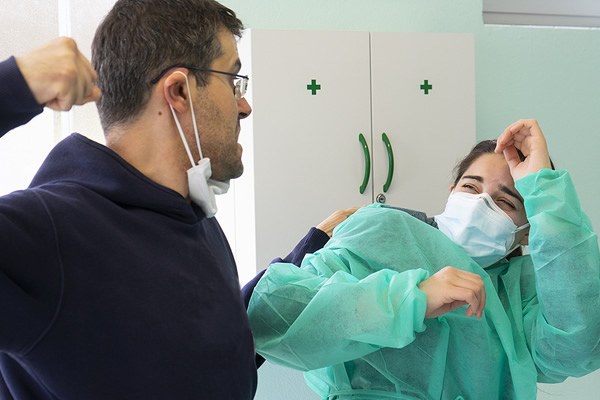 The Texas Nurses Association announced in May 2023 that three Texas Legislative bills were passed to crack down on healthcare workplace violence. Violence in the United States has increased at alarming rates in the past few years. Workplace violence against nurses, in particular, is a critical threat. Many hospitals reported an uptick in violence that started during Covid and has continued to escalate. Shootings Spark Texas Legislative Bills These three Texas bills were passed in response to the horrendous shooting at the Methodist Dallas hospital that occurred in October 2022, in which a nurse and a social worker were killed. The prevalence of workplace violence (WPV) for healthcare workers far exceeds that of any other industry. Per the U.S. Bureau of Labor Statistics, workers in healthcare and social services industries are five times more likely to be injured than workers in other industries. WPV can include anything from threats to verbal abuse to physical assault, even homicide. From 2011 to 2018, the rate of injuries from violent attacks against medical providers increased by 68%. What the Texas Bills Include SB 840 is named the Jacqueline "Jackie" Pokuaa and Katie "Annette" Flowers Act in memory of the social worker and nurse shot and killed at their place of employment. This bill increases the penalty for assaulting any healthcare worker from a misdemeanor to a felony. Earlier legislation offered this type of penalty only for nurses working in the emergency department. SB 1004 increases the penalty for removing an electronic monitoring device if the individual was ordered to wear one as part of community supervision, parole, mandatory supervision, or release on bail. In the Methodist Dallas Hospital attack, the criminal who shot the healthcare workers should have been wearing an ankle monitor but cut it off before going to the hospital. SB 240 is named the Workplace Violence Prevention Bill. It mandates the following: that a workplace violence prevention plan be implemented in healthcare facilities; that a facility committee be formed; that WPV data be tracked; and that annual WPV training be conducted for employees. The committee must include at least one nurse whose role includes direct patient care at that facility. The bill also includes a process to protect employees from retaliation by the facility for reporting incidents of WPV. What Legislation Still Needs to be Passed At the Congressional level, the Safety from Violence for Healthcare Employees (SAVE) Act (H.R. 7961) was introduced in June 2022 which aims to provide federal protections for healthcare workers experiencing violence and intimidation in their workplace settings. It also provides funding for implementing workplace violence prevention programs, coordinating with law enforcement, and improving security and technology to provide a safer environment. The Act is currently in the Subcommittee on Crime, Terrorism and Homeland Security. To support this act, contact your U.S. representative today to ask them to cosponsor H.R. 7961. By taking a stand together, we can make the workplace safer.
 -
 According to Career One Stop, sponsored by the Bureau of Labor Statistics, Texas projects the third-largest growth of nurse practitioner (NP) jobs between 2020 and 2030. With just under 15,000 jobs in 2020, this state expects to need more than 24,000 NPs by 2030. This comes out to needing about 2,010 new NPs each year. And according to salary.com, these advanced practice nurses make an annual salary of just over $119,000, ranging between $102,756 and $138,823. When you combine the expected job growth and annual salary, choosing a career path as an NP proves to be an excellent choice. However, it is essential to note that Texas does not give NPs full license authority. This means they have limited prescriptive authority and must always work under the supervision of a physician. Nonetheless, we've compiled the best NP specialties and salaries in Texas in 2025.
 -
-
 If you're exploring the possibility of a nursing career in Texas, understanding the salary expectations across different nursing specialties is crucial. This knowledge will guide you in choosing the right educational path to align with your career goals and financial expectations. This article is an extension of our comprehensive nursing salary guide by state. All salary data has been aggregated by the U.S. Bureau of Labor Statistics (BLS). Registered Nursing Salary in Texas RNs in Texas earn an average annual salary of $79,820, which is 10.3% lower than the national average of $89,010 or $42.80 per hour. RN salary in Texas may vary, however, based on numerous factors including years of experience, employer, education, and more. Here's a breakdown of low (10th percentile), average (50th percentile), and high salary expectations (90th percentile), as gathered by 231,060 RNs.