Search Keyword
Topics About 'careers'.
Displaying 55 results
-
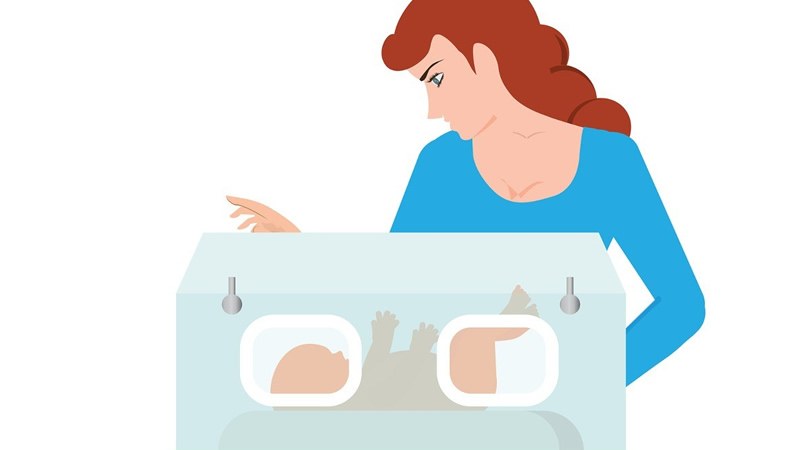 One in every ten infants born in the United States is preterm, meaning they are born before 37 weeks gestation. These vulnerable newborns often face low birth weights, respiratory distress, and congenital conditions that require immediate, specialized intervention. According to recent data from the March of Dimes, the demand for highly trained clinical staff in neonatal environments remains a critical healthcare priority. Neonatal Intensive Care Unit (NICU) nurses are specialized practitioners who bridge the gap between advanced medical science and profound human empathy. They deliver critical care to ill newborns while simultaneously providing emotional support and education to families navigating one of the most frightening experiences of their lives. This comprehensive guide uses a Success Intelligence framework to help you evaluate the NICU nursing career path. We will focus on the tangible return on investment (ROI) of your education, the realities of clinical practice, and the strategic steps required to protect your mental health and advance your career. Bottom Line Up FrontBaseline Education: An Associate Degree in Nursing (ADN) is the minimum requirement, but a Bachelor of Science in Nursing (BSN) is heavily preferred by top-tier hospitals. Financial Outlook: Registered nurses earn a national average of $86,070 annually. Specialized NICU nurses, particularly those in travel roles or high-acuity Level IV units, often exceed this baseline. Top Certifications: RNC-NIC (National Certification Corporation) and CCRN-Neonatal (American Association of Critical-Care Nurses). Career Trajectory: NICU nursing offers a direct pathway to becoming a Neonatal Nurse Practitioner (NNP), a highly lucrative advanced practice role.
 -
 Hospitals rely on clinicians who can assess unstable patients, make rapid treatment decisions, and manage complex medical conditions. Acute care nurse practitioners are part of that frontline team. Working in environments like intensive care units, trauma services, and hospitalist teams, these advanced practice nurses diagnose acute illnesses, order tests, prescribe treatments, and coordinate care for patients whose conditions can change quickly. This guide explains what an acute care nurse practitioner is, what they do during a typical shift, how to become one, and what salary and career paths look like. It also compares acute care NPs with family nurse practitioners and breaks down common specialties within hospital medicine. Acute Care Nurse Practitioner at a Glance Category Details Role Advanced practice provider managing hospitalized and critically ill patients. Education Master of Science in Nursing (MSN) or Doctor of Nursing Practice (DNP). Certification AGACNP-BC or ACNPC-AG certification for adult-gerontology acute care practice. Work Settings Hospitals, intensive care units (ICUs), trauma services, and specialty inpatient units. Median NP Salary (BLS 2024) $129,480 Typical Pathway RN → acute care experience → acute care nurse practitioner program.
 -
 Becoming a registered nurse (RN) has always been a reliable career choice, but in 2026, the opportunities have expanded significantly beyond traditional hospital settings. The healthcare landscape has shifted, driven by technological integration, an aging population, and a renewed focus on work-life balance for medical professionals. While bedside nursing remains the backbone of healthcare, many nurses are pivoting toward specialized roles that offer higher autonomy, distinct schedules, and increased compensation. From high-tech roles in nursing informatics to the autonomous practice of nurse practitioners, the "best" job depends on your personal career goals. Are you looking for the highest paycheck, the flexibility of remote work, or the ability to lead teams? Quick Glance: Top RN Jobs & Salaries (2026 Projections) CRNA: $215,000+ (Highest Pay) Family Nurse Practitioner: $128,000+ (High Autonomy) Nurse Administrator: $117,960+ (Leadership) Nursing Informatics: $98,000+ (Tech & Data) Travel Nurse: $100,000+ (Adventure/Flexibility) Legal Nurse Consultant: $92,000+ (Non-Clinical) Telehealth Nurse: $82,000+ (Remote/WFH) Oncology Nurse: $86,000+ (Specialized Clinical) Nurse Case Manager: $84,000+ (Coordination) Nurse Educator: $83,000+ (Academic) Note: Salary figures are national median estimates projected for 2026 based on BLS and industry data. Actual pay varies significantly by state, experience, and facility type. The Evolution of Nursing Careers in 2026 The "standard" nursing career path has evolved. In 2026, we see two major trends influencing job satisfaction and salary: Specialization: Generalist roles are being outpaced by specialized certifications. Technology: Virtual nursing and data management are no longer niche; they are central to health system operations. Below is our curated list of the best RN jobs for 2026.
 -
 The modern hospital relies on data, and the Telemetry Nurse is the expert interpreter of that data. Immersing yourself in the dynamic world of telemetry nursing means becoming the "detective" of the nursing floor. These professionals play a pivotal role in providing care to patients with acute medical needs who require constant electronic monitoring. Whether you are a nursing student or a Registered Nurse (RN) looking to pivot your career in 2026, this guide covers everything from the nuances of EKG interpretation to the latest salary data and educational requirements. American Association of Critical-Care Nurses defines this role as vital for patients who are stable enough to leave the ICU but too complex for a standard medical-surgical floor. Snapshot: Telemetry Nursing Average Salary (2026 est.): $96,000 - $105,000 (varies by state) Patient Ratio: Typically 1:4 or 1:5 Key Skills: EKG Interpretation, ACLS, Critical Thinking, Time Management Stress Level: High (Fast-paced, high turnover of patients) Best For: Nurses who enjoy cardiac care, puzzles, and are considering a future in the ICU. What is a Telemetry Nurse? Telemetry (often called "Tele") is a specialized area of healthcare involving the continuous electronic monitoring of a patient's vital signs. While all nurses monitor vitals, Telemetry nurses specialize in interpreting the electrical activity of the heart via remote technology. A Telemetry Nurse is an RN trained to detect minute changes in a patient's condition before they become life-threatening emergencies. The term "telemetry" refers to the wireless transmission of data from the patient's portable heart monitor (often called a "tele box") to a central monitoring station. The "Watcher" Role Tele nurses work in various settings, but primarily in hospitals. They are responsible for: Continuous Monitoring: Watching heart rate, rhythm, respiratory rate, and oxygen saturation (SpO2). Interpretation: Analyzing strips to identify arrhythmias like Atrial Fibrillation, Ventricular Tachycardia, or Heart Blocks. Intervention: Responding immediately to "lethal rhythms" or signs of deterioration. Patients on these units are an intermediary group. They require more observation than Med-Surg patients but do not require the 1:1 or 1:2 intensity of the Intensive Care Unit (ICU).
 -
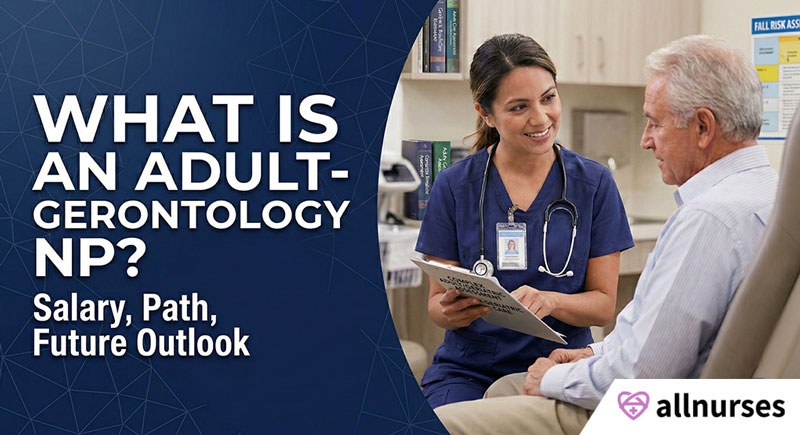 The need for healthcare professionals trained to manage the complex comorbidities of aging adults is skyrocketing. According to data monitored by the Gerontological Advanced Practice Nurses Association (GAPNA), the "Silver Tsunami" is fully upon us, with millions of Baby Boomers requiring specialized care. For Registered Nurses (RNs) looking to advance their careers in 2026, becoming an Adult-Gerontology Nurse Practitioner (AGNP) offers a blend of clinical autonomy, high earning potential, and job security. Unlike Family Nurse Practitioners (FNPs) who treat patients across the lifespan, AGNPs focus strictly on adolescents (typically ages 13+) through end-of-life care. This guide breaks down the two distinct AGNP tracks, the latest salary data, and the educational pathways required to enter this field. What Is an Adult-Gerontology Nurse Practitioner?An AGNP is an Advanced Practice Registered Nurse (APRN) who holds a Master's or Doctoral degree. They are clinically trained to assess, diagnose, and manage acute and chronic conditions in young adults, adults, and older adults. The role focuses heavily on: Health Promotion: Disease prevention and lifestyle counseling. Chronic Management: Handling conditions like diabetes, hypertension, and COPD. Geriatric Syndromes: Managing frailty, polypharmacy (multiple medications), and dementia. Palliative Care: Optimizing quality of life for those with serious illnesses. However, "AGNP" is an umbrella term. To become one, you must choose between two very different certifications: Primary Care or Acute Care. Do You Have What It Takes?Beyond clinical acumen, successful AGNPs share specific traits: Advanced Patience: Geriatric assessments simply take longer. Mobility issues, hearing loss, and complex histories require an unhurried approach. Caregiver Empathy: You aren't just treating the patient; you are often educating, comforting, and coordinating with their exhausted family members. Advocacy: Older adults are a vulnerable population. AGNPs must be vigilant in identifying signs of neglect, self-care deficits, or elder abuse.
 -
 Registered nurses are licensed clinicians who assess patients, give treatments, and coordinate care across many settings. They track changes, prevent problems, and help patients understand what happens next. This guide explains what an RN is, what RNs do, how to become one, how long it takes, and what pay can look like. Quick Definition: What Is a Registered Nurse?A registered nurse (RN) is a licensed healthcare professional who provides direct patient care, performs clinical assessments, administers medications, and coordinates treatment plans after passing the NCLEX-RN and meeting state licensure requirements. Registered Nurse at a GlanceMedian U.S. salary: $93,600 per year Median hourly wage: About $45 Entry education: ADN or BSN Licensure exam: NCLEX-RN Typical timeline: 2–4 years Work settings: Hospitals, clinics, schools, long-term care Key TakeawaysYou can become a registered nurse in as little as two years through an ADN pathway. BSN-prepared nurses may have broader advancement opportunities. Registered nurse salary varies by state, experience, and setting. Passing the NCLEX-RN is required for licensure. An RN license can lead to advanced roles such as nurse practitioner or nurse manager.
 -
 If you keep hearing "NP" in clinics, hospitals, or job postings, it's worth knowing what that role really looks like day to day and what it takes to earn the title. People often consider this path when they want more say in patient care, a different schedule than bedside shifts, or a bigger long-term impact. This guide covers pay, scope-of-practice rules, the education timeline, and what NP school is actually like. You'll also see how the role stacks up against RN, PA, and physician paths, plus a clear look at specialties and the real pros and cons. Nurse Practitioner: Quick DefinitionA nurse practitioner, or NP, is an advanced practice registered nurse (APRN) who can assess patients, diagnose conditions, order tests, and prescribe medication under state-regulated authority. NPs are licensed in all 50 states and Washington, DC. Their level of independence depends on state scope-of-practice laws. NP Key TakeawaysNPs can prescribe medication in every U.S. state. The mean nurse practitioner salary is $132,000 per year. Job growth for NPs is projected at 35 percent through 2034. Becoming an NP usually takes 6 to 8 years from the start of nursing school.
 -
 If you are researching what is a dermatology nurse, you are likely looking for a specialty that blends clinical skill with outpatient care and long-term patient relationships. Dermatology nursing sits at the intersection of medical treatment, minor procedures, and patient education, often in structured clinic environments rather than hospital shifts. This guide breaks down what a dermatology nurse does, dermatology nurse salary expectations, how to become a dermatology nurse, and what training looks like for dermatology nurse practitioners. You'll also see how pediatric dermatology NPs fit into the specialty and what requirements matter most. Dermatology Nurse Quick DefinitionA dermatology nurse is a registered nurse (RN) or nurse practitioner (NP) who specializes in diagnosing, treating, and managing conditions affecting the skin, hair, and nails. Dermatology nurses work in outpatient clinics, medical spas, surgical dermatology offices, hospitals, and specialty practices focused on both medical and cosmetic skin care. Key TakeawaysDermatology nurses treat conditions like acne, psoriasis, eczema, skin cancer, and rashes. Dermatology nurse salary varies by credentials, with NPs earning significantly more than RNs. Becoming a dermatology nurse requires RN licensure; advanced roles require NP education and certification. Cosmetic and surgical dermatology skills can increase earning potential. Pediatric dermatology nurse practitioners treat infants and children with skin disorders.
 -
 If you are passionate about providing complete care during pregnancy, childbirth, and postpartum, consider becoming a certified nurse midwife (CNM). To provide readers with all the information to decide if this career is right for them, we've compiled a guide with details about the role, duties, income, education, and advantages of becoming a CNM. CNM Job Description CNMs possess specialized knowledge and nursing skills to manage all aspects of women's reproductive health throughout their lifespan, including pregnancy, childbirth, and postpartum care. They are trained at the graduate level and are recognized as advanced practice registered nurses (APRNs), making them independent healthcare providers in many states. CNMs provide comprehensive care to individuals of all gender identities and sexual orientations. They are proficient in addressing a wide range of sexual health and reproductive health needs, including gynecological care, family planning services, and primary care related to women's health needs.
 -
 From higher salary potential and diverse job opportunities to flexible schedules and reduced physical demands, a nursing administration career allows nurses to expand their impact and contribute to delivering exceptional patient care. Nurse Administrator Job Description Nurse administrators, sometimes called nurse managers or directors, are RNs who have transitioned into a healthcare executive role. They supervise the processes and personnel of nursing departments or entire healthcare facilities. They rarely provide direct patient care, rather they ensure that the nurses they manage provide quality care while following standards and regulations, manage day-to-day operations in healthcare facilities, and contribute to long-term improvement by continually revising systems and procedures. Nurse administrators also represent nursing staff to internal and external stakeholders, liaise with healthcare staff, and work with executive teams to set performance goals and strategic plans.
 -
 If you're ready to embrace the challenges and rewards of emergency and trauma medicine while advancing your nursing career, exploring the path of an emergency nurse practitioner (ENP) could be the transformative step you've been seeking. Let your passion for healthcare and dedication to making a difference guide you toward a career that allows you to positively impact the lives of individuals during critical and traumatic healthcare moments. We've created this comprehensive guide with you in mind—learn all about the duties of an ENP, salary prospects, and how to become one.
 -
 If you're passionate about nursing and want to make a significant impact on the profession by educating and inspiring future nurses, consider the fulfilling career path of a nurse educator. Below we explore the job description, responsibilities, salary expectations, and the path to becoming a nurse educator, and also highlight the diverse roles they can fulfill. Nurse Educator Job Description A Nurse educator is a nursing professional who teaches and trains various learners, including nursing students in academic institutions and currently practicing nurses in clinical practice areas. Nurse educators in an academic setting are called nursing faculty members and have the opportunity to shape the industry's future through teaching and mentoring in classrooms and clinical experiences. Outside of academic institutions, the nurse educator's role includes providing continuing education and supporting the development of currently practicing and new nurses. Nurse educators in this setting are called clinical nurse educators (CNEs). Rather than instructing students, nurse educators in a healthcare setting support working nurses through experiential learning opportunities to promote their professional development.
 -
 Registered nurse (RN) case managers are dedicated healthcare professionals who work behind the scenes to ensure patients receive the best care possible. With their expertise in care coordination, resource utilization, and patient advocacy, they are the guiding hands that navigate the complex healthcare maze. RN Case Manager Job Description In healthcare, an RN case manager is pivotal in managing and coordinating the care of individuals with complex or chronic medical conditions. They are dedicated advocates, ensuring patients receive the most appropriate and timely healthcare services and resources. Through close collaboration with healthcare teams, patients, and their families, case managers develop and execute comprehensive care plans, schedule appointments and services, facilitate communication between healthcare team members, and closely monitor patient progress.
 -
 Are you an RN looking to advance your nursing practice and make a meaningful impact on the healthcare industry without completely giving up patient care? Consider becoming a clinical nurse specialist (CNS). By exploring this comprehensive guide, you will gain valuable insights into the CNS's responsibilities, potential earnings, and crucial steps to kickstart a fulfilling career in this field. CNS Job Description CNSs are highly skilled healthcare professionals with graduate-level education and recognition as advanced practice registered nurses (APRNs). A CNS has specialized skills in diagnosing and treating illnesses for particular patient populations, focusing on providing specialized care for at-risk patients or groups. Although CNSs may have similarities with nurse practitioners (NPs), the CNS role usually focuses less on direct patient care and more on administrative duties, research, and improving healthcare systems and patient outcomes. With advanced expertise in three central domains, CNSs can innovate and enhance the healthcare industry. Unlike NPs, CNS's responsibilities extend beyond patient care, as they integrate all three domains into their practice to revolutionize healthcare services and nursing practices at the organizational level. The three domains of expertise a CNS integrates into their practice are direct patient care, influencing nursing, and impacting healthcare organizations. Direct Patient Care Experienced CNSs rely on evidence-based nursing interventions and national guidelines to provide expert care and enhance patient outcomes. They conduct patient rounds, perform health assessments, and advise on complex care requirements. With a commitment to delivering top-tier care to at-risk and specialized patients, these professionals can employ their expertise in various healthcare settings, such as hospitals, ambulatory clinics, private practices, home care, and health systems. Patient advocacy and consultation are also significant components of a CNS's direct patient care responsibilities. Related: Nurse Practitioner: What Is an NP, Salary, and How to Become One Influencing Nursing CNSs play a crucial role in healthcare teams by providing leadership and working collaboratively with others to enhance patient care through evidence-based practice. They serve as mentors, educators, and innovators, sharing their knowledge with nurses and other healthcare professionals. CNSs evaluate and modify practice standards to ensure evidence-based care and promote quality improvement. They guide RNs in devising, implementing, and evaluating changes in healthcare practices. Additionally, they advocate for the value of nurses' contributions to healthcare outcomes to organizational leaders. Impacting Healthcare Organizations The role of a CNS is vital in influencing and enhancing healthcare organizations and systems. They have a comprehensive knowledge of healthcare systems, allowing them to improve patient safety, implement evidence-based practices, and lead quality improvement initiatives. Through collaboration with interdisciplinary teams, performing cost-benefit analyses of new patient care technologies, and optimizing patient outcomes, CNSs help healthcare facilities achieve recognition for outstanding patient care and nursing excellence. Being proficient in all three areas is crucial as the actions taken in one domain directly affect the other three. A CNS must be flexible in their duties to meet the specific needs of the healthcare system, patient care unit, family, or community. Nevertheless, their main priority is consistently focused on direct patient care improvements and advocacy. By becoming a CNS, you will embark on a fulfilling career where you provide expert care, lead practice changes, collaborate with healthcare teams, and contribute to improving patient outcomes. CNS Responsibilities A CNS's responsibility will differ depending on the healthcare setting, patient population, and specialty area. A general overview of their duties includes: Stay updated with current research and evidence-based practices Integrate evidence-based interventions into patient care Educate and mentor healthcare professionals, including nurses and students Collaborate with interdisciplinary teams and contribute to policy development Provide consultation to enhance patient care delivery and quality improvement Develop, implement, and evaluate specialized healthcare programs Participate in quality improvement initiatives and monitor patient outcomes Foster collaboration and effective communication among healthcare teams Engage in policy development, implementation, and advocacy efforts Provide expert-level clinical care within a specialized patient population Perform health assessments, diagnose, and manage complex health conditions Develop and implement comprehensive care plans Prescribe medications, medical supplies, and durable medical equipment (in most states) CNS Salary A CNS can earn a variable salary depending on their specialty, healthcare setting, work region, and years of experience. Glassdoor's May 2023 report shows that CNSs earn an average of $118,950 annually. CNS Annual Salary Based on Years of Experience 1-3 years CNS experience: $87,039 4-6 years CNS experience: $97,436 7-9 years CNS experience: $108,708 10-14 years CNS experience: $115,763 15+ years CNS experience: $127,194 CNS Annual Salary by State: Highest Paying Vermont: $117,396 Arizona: $111,953 Wyoming: $111,727 Massachusetts: $111,709 Tennessee: $111,006 CNS Annual Salary by State: Lowest Paying South Carolina: $65,907 North Dakota: $67,850 North Carolina: $71,667 Arkansas: $72,500 Oklahoma: $74,300 These numbers significantly differ from the highs and lows listed above, as the aggregate data regarding state pay is from ZipRecruiter, while the remaining aggregate data above is from Glassdoor. Unfortunately, the Bureau of Labor Statistics (BLS) does not measure CNS average salary. How to Become a CNS As with any graduate-level nursing degree, becoming a CNS is a multi-step process. Step 1: Undergraduate Nursing School Apply to an accredited school of nursing to obtain a Bachelor of Science in Nursing (BSN) or Associate's Degree in Nursing (ADN) from an accredited nursing school. Step 2: RN-Licensure Pass the National Council Licensure Exam for Registered Nurses, NCLEX-RN, to obtain licensure as an RN. Step 3: Nursing Experience Gain practical nursing experience by working in a clinical setting or healthcare facility. Many CNS graduate programs require at least two years and up to five years of RN experience. Step 4: Graduate Nursing School Pursue a Master of Science in Nursing (MSN) degree or a Doctor of Nursing Practice (DNP) degree specializing in CNS. Prospective CNS students should ensure that the CNS program chosen is consistent with state requirements and national standards for graduate APRN programs. It is crucial for the nursing school's CNS program to be accredited by either the Commission on Collegiate Nursing Education (CCNE) or the Accreditation Commission for Education in Nursing (ACEN). Based on the National Association of Clinical Nurse Specialists (NACNS) criteria, CNSs must obtain at least 500 supervised clinical practice hours for MSN programs and 1,000 clinical hours for a DNP program. Related: 10 Best BSN to MSN Programs in 2026 Step 5: National CNS Certificate To become a certified CNS, you must obtain national certification from a recognized organization like the American Nurses Credentialing Center (ANCC) or the American Association of Critical Care Nurses (AACN). Certification based on the specific patient population a CNS serves is usually necessary. Some examples of CNS specialties include: CNS-BC: Clinical Nurse Specialist Core Certification CNS Wellness through Acute Care: ACCNS-AG: Adult-Gerontology CNS ACCNS-P: Pediatric CNS ACCNS-N: Neonatal CNS Acute/Critical Care CNS: CCNS: Adult CCNS: Pediatric CCNS: Neonatal PMHCNS: Psychiatric Mental Health CNS WHCNS: Women's Health CNS CHCNS: Community Health CNS Step 6: Apply For State Licensure A CNS is considered an independent provider in most states, allowing them to practice and hold prescriptive authority without supervision from an MD, DO, DDS, or APRN. To ensure legal compliance, it is important to carefully review your state's nursing board regulations for APRN CNS licensure and the scope of practice specific to the state you plan to work. Becoming a CNS can significantly enhance your nursing practice and allow you to make a lasting impact in the healthcare industry. This role offers various opportunities to provide specialized care, lead practice changes, collaborate with healthcare teams, and improve patient outcomes. By embarking on this fulfilling journey, you can become a trailblazer in revolutionizing the healthcare industry and become a nurse leader and innovator.
 -
 If you're interested in pursuing a career as an oncology nurse practitioner (oncology NP), read on as we explore their diverse responsibilities, including ordering and interpreting diagnostic tests, prescribing appropriate treatments, conducting comprehensive assessments, coordinating care, and advocating for patients. We also discuss their salary expectations and the steps to becoming one. Oncology NP Job Description An oncology NP is a specialized advanced practice registered nurse (APRN) who provides comprehensive care to cancer patients, from diagnosing to assessing to treating, in collaboration with physicians, RNs, and other healthcare members. Oncology NPs may order various medications, including chemotherapy, based on the patient's symptoms and diagnosis. They will monitor a patient's cancer treatment plan, ensuring the patient tolerates the treatment well without experiencing significant side effects. In certain situations, they may also provide consults and referrals as needed, such as to palliative care or hospice. An oncology NP can work in a variety of settings, including both inpatient and outpatient areas. In the inpatient setting, the oncology NP may work on a designated oncology unit or care for patients diagnosed with cancer/receiving chemo in any other department, including medical-surgical, step-down, or intensive care unit (ICU). An oncology NP in an outpatient setting may work in a clinic, infusion center, or cancer treatment center. They may also work in hospice or palliative care and even deliver home healthcare to specific patients. The schedule of an oncology NP will vary based on where they work. Schedules might involve 40 hours a week with a set schedule or rotating shifts. Related: Travel Nurse: Job Description, Salary, and How to Become One There are a variety of areas an oncology NP can practice, including: Bone marrow transplantation Breast oncology Chemotherapy/Infusion Genetic counseling Gynecologic oncology Hematology Immunotherapy Radiation oncology Surgical oncology There are several benefits of becoming an oncology NP, including developing deep relationships with your patients and their families while being a part of a team who can design and provide life-saving treatments to cancer patients can lead to many joyous celebrations when goals are met, the positive news is received, and remission is achieved. Another benefit is that an oncology NP has more autonomy than an RN and a greater earning potential. Oncology NP Responsibilities The responsibilities of an oncology NP include: Ordering, interpreting, and recording results of clinical tests and reporting results to physicians and other primary health care providers Prescribing medications and making recommendations for other therapeutic forms of treatment. Conducting screenings for all types of cancers Educating patients about cancer prevention and early detection Administering cancer treatments Conducting comprehensive or episodic health history and physical assessments Educating patients and families on treatment plans and prevention strategies Participating in medical oncology-specific clinical quality and research projects Manage cancer-related symptoms and treatment side effects Advocate for patients, ensuring they receive timely and appropriate care The responsibilities of an oncology NP may vary based on the setting and scope of practice as defined by state regulations and individual practice agreements. Oncology NP Salary Oncology NPs can be either salary-based or earn an hourly rate. This will vary based on the place of employment. Those paid hourly can earn overtime pay, whereas salary employees would need to discuss that with the hiring committee. According to the Bureau of Labor Statistics (BLS), the median pay for NPs in 2021 was $123,780 per year, with salaries ranging from $79,870 to $200,540. Unfortunately, the BLS does not differentiate between different types of NPs. The BLS reports that in May 2021, the highest-paying states for NPs were: California : $151,830 New Jersey: $137,010 New York: $133,940 Washington: $130,840 Massachusetts: $129,540 How to Become an Oncology NP Becoming an oncology NP requires extensive nursing education. First, you must graduate from an accredited nursing program to obtain your Bachelor of Science in Nursing (BSN) degree. This can be achieved by getting your associate's degree in nursing (ADN) and pursuing an RN-to-BSN degree, or starting directly in a BSN program. After obtaining a BSN degree, you must apply and pass the NCLEX-RN exam to qualify for an RN license. You must then apply for licensure through your state board of nursing. Although experience is not needed to apply for NP programs, it is recommended to practice as an RN. This practice will help to build confidence and knowledge in the specialized area of oncology. After obtaining an RN license, you can apply to an accredited NP Program. But before applying, it is important to review the requirements for enrollment/acceptance into your specific program. Related: 10 Fastest Nurse Practitioner (NP) Programs in 2023 After graduating from an accredited NP Program and passing the certification exam, you can apply for state licensure as an NP. To become an oncology NP, you can take a couple of paths. You can graduate with a general specialty, such as Family Practice, Acute Care, Pediatrics, or Adult-Gerontology. If you have a general specialty, most oncology NP positions require completion of the Advanced Oncology Certified Nurse Practitioner (AOCNP) exam offered by the Oncology Nursing Certification Corporation. The second path to becoming an oncology NP is to find an accredited program that provides an oncology NP specialty as part of the program. It is important to note that you must maintain good status with your RN license to receive your NP license. You will carry both licenses for the remainder of your nursing career. You may also consider obtaining your Doctor of Nursing Practice (DNP). A DNP may open the door to more opportunities or even higher pay. A DNP can still deliver direct patient care but may also work in various leadership roles or even teach for a University. Oncology NPs have the essential job of caring for those cancer patients and their families. If you're interested in pursuing further education and working in a high-demand and high-reward field, consider a career as an oncology NP.
 -
 From the high-stakes world of emergency room nursing to the compassionate care of geriatric nursing, we've compiled details about the unique responsibilities, qualifications, and pay ranges of 14 different nursing specialties. The Bureau of Labor Statistics (BLS) reports that RNs make an average annual salary of $77,600 or just over $37 per hour. This data is a base salary and changes based on experience, geography, and many other factors. When reviewing salary information for each nursing specialty below, remember that data from sites like PayScale or Glassdoor use self-reported information from nurses with varying degrees and years of experience who live coast to coast in the U.S.
 -
 If you are a registered nurse (RN) looking to elevate your clinical impact and autonomy, becoming a Family Nurse Practitioner (FNP) offers one of the most versatile career paths in modern healthcare. An FNP is an Advanced Practice Registered Nurse (APRN) who serves as a primary care provider for patients across the lifespan. In 2026, the demand for these professionals is higher than ever; according to the Bureau of Labor Statistics, employment for nurse practitioners is projected to grow much faster than the average for all occupations. This guide covers everything from the "MSN vs. DNP" debate to the realities of autonomous practice and salary expectations. Quick Glance: The FNP Role in 2026Average Salary: $120,000 - $145,000+ (varies by state/experience). Education Required: Master of Science in Nursing (MSN) or Doctor of Nursing Practice (DNP). Licensure: National Board Certification (AANP or ANCC) + State APRN Licensure
 -
 Quick Summary: Choosing a Nurse Practitioner SpecialtySelecting an NP specialty is a pivotal step in your nursing career. With surging demand and expanding clinical roles, the right path offers both professional fulfillment and competitive salaries. This 2026 guide ranks the top-paying nurse practitioner careers by growth and salary potential to help you make an informed career move. Key Takeaways Highest Earning Specialty: Psychiatric-Mental Health (PMHNP) and Neonatal (NNP) roles lead the field with median salaries exceeding $139,000. Projected Job Growth: The BLS projects a ~35% increase in NP employment through 2034, making it one of the fastest-growing professions in the U.S. Top Paying State: California remains the highest-paying state, with average NP salaries surpassing $170,000. Education Path: Entry into these advanced roles requires at least a Master of Science in Nursing (MSN) degree.
 -
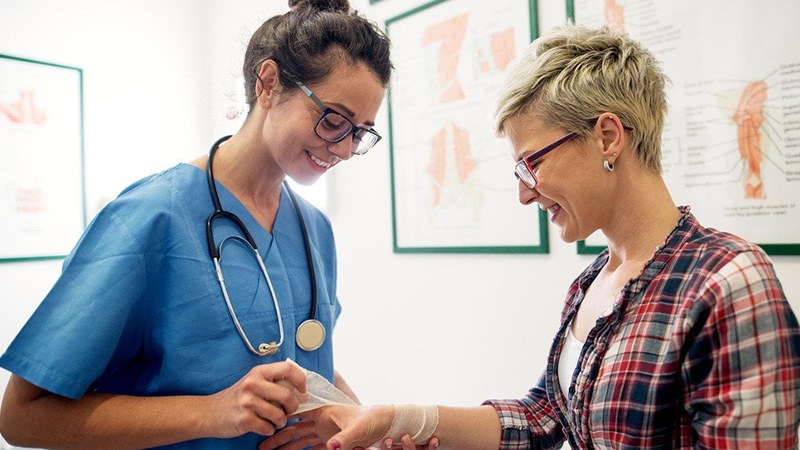 Wound care nurses bring unique skills and knowledge to the healthcare industry. Their specialized training, comprehensive care plans, early detection of complications, patient education, and collaboration with interdisciplinary teams significantly contribute to better wound healing, improved patient outcomes, and enhanced overall healthcare delivery. For those interested in pursuing a career in wound care nursing, we've provided information about the job description, responsibilities, salary expectations, and steps to becoming one. Wound Care Nurse Job Description A wound care nurse, also called a certified wound and ostomy care nurse (CWOCN) or a wound and ostomy care nurse (WOCN), plays an essential role in the healthcare industry by assessing, treating, and preventing various types of wounds. Wound care nurses also specialize in the management of ostomies and continence care. Common types of complex patient wounds include ulcers, burns, pressure injuries, pressure ulcers, diabetic foot wounds, and skin tears. These advanced practice registered nurses (APRNs) are skilled professionals who care for patients with chronic or acute wounds and develop effective strategies to promote faster healing and minimize potential complications. They are proficient in recognizing early signs of infection, choosing appropriate treatment methods, and educating patients and their families on proper wound management techniques. Related: 10 Fastest Associate Degree in Nursing (ADN) Programs in 2025 Wound care nurses work closely with other healthcare professionals and patient care teams, such as licensed practical nurses (LPNs), nurse practitioners (NPs), physicians, dieticians, occupational therapists, and physical therapists. A wound care nurse can be found in various inpatient and outpatient settings, such as hospitals (acute care and critical care units), clinics, long-term care facilities, hospices, and home health. There is a growing need for wound care services in long-term care and home care settings, specifically to help with complications from chronic conditions, such as diabetes. Some benefits of becoming a wound care nurse include having a great deal of professional independence in creating treatment plans and regular daytime working hours without the expectation to work nights, weekends, or holidays. This nursing specialty also offers an intellectual challenge; since the body's systems are integrated holistically, treating a wound will tax your knowledge of proper cardiovascular circulation, pathophysiology, metabolic balance, pressure offloading, chronic disease management, and nutrition.
 -
 According to Career One Stop, sponsored by the Bureau of Labor Statistics, Texas projects the third-largest growth of nurse practitioner (NP) jobs between 2020 and 2030. With just under 15,000 jobs in 2020, this state expects to need more than 24,000 NPs by 2030. This comes out to needing about 2,010 new NPs each year. And according to salary.com, these advanced practice nurses make an annual salary of just over $119,000, ranging between $102,756 and $138,823. When you combine the expected job growth and annual salary, choosing a career path as an NP proves to be an excellent choice. However, it is essential to note that Texas does not give NPs full license authority. This means they have limited prescriptive authority and must always work under the supervision of a physician. Nonetheless, we've compiled the best NP specialties and salaries in Texas in 2025.
 -
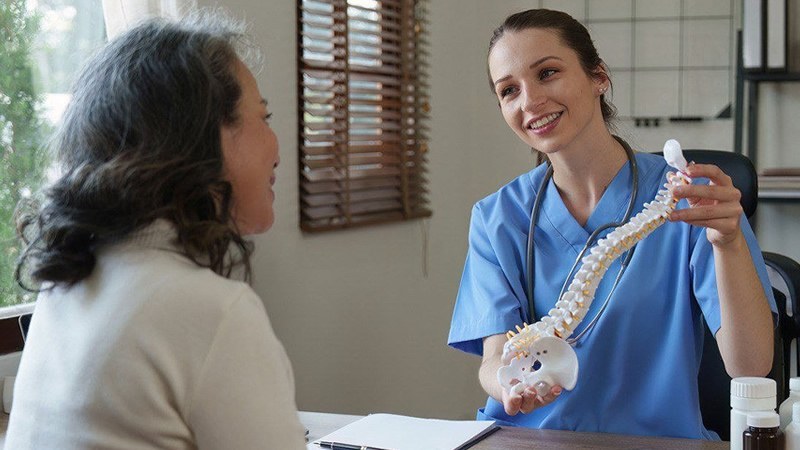 The world of healthcare is filled with many specializations and opportunities, but if you're passionate about musculoskeletal health, enjoy the idea of working with a diverse group of patients, and have an affinity for both clinical and surgical settings, consider becoming an orthopedic nurse practitioner (NP). If you're ready to journey into a rewarding career that blends patient care, advanced medical knowledge, and the opportunity to impact your patients' lives, keep reading to learn more about the job description, responsibilities, salary expectations, and steps to becoming an orthopedic NP. Orthopedic NP Job Description Orthopedic NPs are advanced practice registered nurses (APRNs) who deliver care to patients experiencing musculoskeletal problems across the lifespan. Some examples of common musculoskeletal problems include osteoarthritis, osteoporosis, fractures, and tendon or ligament injuries. The orthopedic NP's duties include obtaining a history from the patient and formulating a list of differentials to assess and diagnose the patient and determine the next steps. Orthopedic NPs order diagnostic tests as indicated, interpret the tests, and initiate treatment. They will also follow up with the patient to ensure they improve and the appropriate treatment plan is in place. Depending on where they work, orthopedic NPs may assist with orthopedic surgery and care for the patient pre-operatively and post-operatively. It is not uncommon for orthopedic NPs to round on their patients while in the hospital, which is usually done alongside the orthopedic surgeon. Related: Best RN Jobs and Salaries in 2023 Orthopedic NPs can work in inpatient and outpatient settings, including private practices or large organizations. They have a unique opportunity to see patients in the clinic and assist with surgery and round on patients in the hospital. They may also work in rehabilitation facilities and for sports medicine practices. These settings allow the orthopedic NP to care for the patient from the time of injury or pain until they are discharged. The typical schedule for an orthopedic NP is a variable, depending on their work setting. Those working in inpatient and outpatient settings may work four 10-hour days or five eight-hour days. They may also require to be on call for a few weekends and holidays yearly, but orthopedic NPs typically have most weekends and holidays off. The benefits of becoming an orthopedic NP include the opportunity to become certified and increase competence and dedication to your career. There is also the opportunity to work in various settings, including in clinics, surgery, primary care centers, urgent care centers, and possibly rounding on the inpatients after surgery. This provides variety to the workweek and a schedule that many enjoy. Orthopedic NP Responsibilities The responsibilities of an Orthopedic NP include: Performing physical exams on patients to assess their condition and diagnose any health problems they may have Evaluating patient medical histories and identifying risk factors that might make surgery risky Providing preoperative instructions to patients regarding what they should do before their operation Prescribing medication or other treatment as needed to help patients recover from surgery Discussing surgical risks with patients and families so they are aware of possible complications Reviewing patient records and reports from other healthcare providers who have treated the patient previously Coordinating patient care with other members of the healthcare team, including physicians, surgeons, physical therapists, and other nurses Performing diagnostic tests such as X-rays, MRIs, CT scans, bone scans, and electrocardiograms (EKGs) Supervising patients' recovery from surgery by providing them with instructions on how to care for themselves at home after surgery The exact responsibilities of an orthopedic NP may vary depending on setting and experience. Orthopedic NP Salary The U.S. Bureau of Labor Statistics (BLS) reports that the average mean annual salary for NPs is $124,580. Unfortunately, the BLS doesn't specify particularly for orthopedics. According to Payscale, the average orthopedic NP salary is $52.69 an hour, leading to an annual salary of $111,681 for the NP working 40 hours a week. This salary is an average and dependent on multiple factors such as the state and environment worked, hours worked, and overall experience. ZipRecruiter reports that the highest-paying states for orthopedic NPs are: Washington: $164,119 New York: $158,424 Missouri: $149,809 Hawaii: $146,500 Idaho: $145,704 How to Become an Orthopedic Nurse Practitioner Several steps must be completed to become an orthopedic NP. 1. Complete a BSN First, you must complete your Bachelor of Science in Nursing degree (BSN), either in the form of a four-year program, or you can start with an Associate's Degree in Nursing (ADN) and then complete an RN-BSN bridge program. 2. Pass the NCLEX-RN After obtaining a BSN degree, you must pass the National Council Licensure Examination - Registered Nurses (NCLEX-RN) exam before applying for your nursing license. Once you pass the NCLEX, you can apply for RN licensure in the state you practice. Once you obtain state licensure, you may work as an RN. 3. Attend and Complete an NP Program You can apply for NP programs after passing your NCLEX-RN exam and completing your bachelor's degree, as experience is not always required to apply to graduate school. However, gaining experience as an RN, specifically as an orthopedic nurse, is recommended if you wish to become an orthopedic NP. The experience gained will help to increase your knowledge and confidence in delivering care to an orthopedic patient. For nurses with a BSN, there are two main types of NP programs: MSN-NP DNP Related: Fastest NP Programs in 2023 It is essential to research each graduate school of interest and ensure that you have completed their prerequisites before applying. 4. Get Certified After you graduate from your NP Program, you must sit for the board certification exam, which can be achieved through the Orthopedic Nurses Certification Board. After you pass the board certification exam, you can apply for licensure in the state you practice and start working as an orthopedic NP. With an increasingly aging population suffering from arthritis, joint pain, back pain, or musculoskeletal pain, orthopedics is a booming specialty. With the ability to work in various settings such as inpatient, outpatient, surgery, and sports medicine, the opportunities are endless for the orthopedic NP.
 -
 The Canadian Nurses Association defines nursing informatics as integrating nursing information and knowledge with technology for managing health information. These applications include electronic health/medical records (EHRs or EMRs), telehealth nursing, and mobile applications, aiming to improve patient outcomes, reduce healthcare costs, and achieve overall efficiency within the nursing profession. If a nursing informatics career sounds like a good fit for you, read on to find more details about the job description, responsibilities, salary expectations, and how to get started. Nursing Informatics Job Description Nursing informatics is a very diverse field that continues to evolve along with advancing technology. One can expect to have literacy in computer systems and applications or at least be open to learning how to navigate them. Nurses in this field can also be expected to listen to feedback to make nursing informatics technology more efficient to help perpetuate better outcomes related to patient care and nursing workloads. In light of this, nurses in this field should be problem-solvers and possess creative minds to turn feedback into solutions.
 -
If you're interested in pursuing a career as an oncology nurse practitioner (oncology NP), read on as we explore their diverse responsibilities, including ordering and interpreting diagnostic tests, prescribing appropriate treatments, conducting comprehensive assessments, coordinating care, and advocating for patients. We also discuss their salary expectations and the steps to becoming one. Table of Contents Job Description Responsibilities Salary Expectations Becoming an Oncology NP Oncology NP Job Description An oncology NP is a specialized advanced practice registered nurse (APRN) who provides comprehensive care to cancer patients, from diagnosing to assessing to treating, in collaboration with physicians, RNs, and other healthcare members. Oncology NPs may order various medications, including chemotherapy, based on the patient's symptoms and diagnosis. They will monitor a patient's cancer treatment plan, ensuring the patient tolerates the treatment well without experiencing significant side effects. In certain situations, they may also provide consults and referrals as needed, such as to palliative care or hospice. An oncology NP can work in a variety of settings, including both inpatient and outpatient areas. In the inpatient setting, the oncology NP may work on a designated oncology unit or care for patients diagnosed with cancer/receiving chemo in any other department, including medical-surgical, step-down, or intensive care unit (ICU). An oncology NP in an outpatient setting may work in a clinic, infusion center, or cancer treatment center. They may also work in hospice or palliative care and even deliver home healthcare to specific patients. The schedule of an oncology NP will vary based on where they work. Schedules might involve 40 hours a week with a set schedule or rotating shifts. Related: Travel Nurse: Job Description, Salary, and How to Become One There are a variety of areas an oncology NP can practice, including: Bone marrow transplantation Breast oncology Chemotherapy/Infusion Genetic counseling Gynecologic oncology Hematology Immunotherapy Radiation oncology Surgical oncology There are several benefits of becoming an oncology NP, including developing deep relationships with your patients and their families while being a part of a team who can design and provide life-saving treatments to cancer patients can lead to many joyous celebrations when goals are met, the positive news is received, and remission is achieved. Another benefit is that an oncology NP has more autonomy than an RN and a greater earning potential. Oncology NP Responsibilities The responsibilities of an oncology NP include: Ordering, interpreting, and recording results of clinical tests and reporting results to physicians and other primary health care providers Prescribing medications and making recommendations for other therapeutic forms of treatment. Conducting screenings for all types of cancers Educating patients about cancer prevention and early detection Administering cancer treatments Conducting comprehensive or episodic health history and physical assessments Educating patients and families on treatment plans and prevention strategies Participating in medical oncology-specific clinical quality and research projects Manage cancer-related symptoms and treatment side effects Advocate for patients, ensuring they receive timely and appropriate care The responsibilities of an oncology NP may vary based on the setting and scope of practice as defined by state regulations and individual practice agreements. Oncology NP Salary Oncology NPs can be either salary-based or earn an hourly rate. This will vary based on the place of employment. Those paid hourly can earn overtime pay, whereas salary employees would need to discuss that with the hiring committee. According to the Bureau of Labor Statistics (BLS), the median pay for NPs in 2021 was $123,780 per year, with salaries ranging from $79,870 to $200,540. Unfortunately, the BLS does not differentiate between different types of NPs. The BLS reports that in May 2021, the highest-paying states for NPs were: California - $151,830 New Jersey - $137,010 New York - $133,940 Washington - $130,840 Massachusetts - $129,540 How to Become an Oncology NP Becoming an oncology NP requires extensive nursing education. First, you must graduate from an accredited nursing program to obtain your Bachelor of Science in Nursing (BSN) degree. This can be achieved by getting your associate's degree in nursing (ADN) and pursuing an RN-to-BSN degree, or starting directly in a BSN program. After obtaining a BSN degree, you must apply and pass the NCLEX-RN exam to qualify for an RN license. You must then apply for licensure through your state board of nursing. Although experience is not needed to apply for NP programs, it is recommended to practice as an RN. This practice will help to build confidence and knowledge in the specialized area of oncology. After obtaining an RN license, you can apply to an accredited NP Program. But before applying, it is important to review the requirements for enrollment/acceptance into your specific program. Related: 10 Fastest Nurse Practitioner (NP) Programs in 2023 After graduating from an accredited NP Program and passing the certification exam, you can apply for state licensure as an NP. To become an oncology NP, you can take a couple of paths. You can graduate with a general specialty, such as Family Practice, Acute Care, Pediatrics, or Adult-Gerontology. If you have a general specialty, most oncology NP positions require completion of the Advanced Oncology Certified Nurse Practitioner (AOCNP) exam offered by the Oncology Nursing Certification Corporation. The second path to becoming an oncology NP is to find an accredited program that provides an oncology NP specialty as part of the program. It is important to note that you must maintain good status with your RN license to receive your NP license. You will carry both licenses for the remainder of your nursing career. You may also consider obtaining your Doctor of Nursing Practice (DNP). A DNP may open the door to more opportunities or even higher pay. A DNP can still deliver direct patient care but may also work in various leadership roles or even teach for a University. Oncology NPs have the essential job of caring for those cancer patients and their families. If you're interested in pursuing further education and working in a high-demand and high-reward field, consider a career as an oncology NP.
-
Aesthetic nurses deeply understand facial anatomy, skin conditions, and various aesthetic procedures. Their primary goal is to help patients achieve their desired cosmetic outcomes while prioritizing patient safety and well-being. For those considering a career in this specialization, we've compiled the job description, responsibilities, salary expectations, and steps to becoming one. Table of Contents Job Description Responsibilities Salary Expectations Becoming an Aesthetic Nurse Aesthetic Nurse Job Description An aesthetic or cosmetic nurse is a registered nurse (RN) who works in the aesthetic medicine field. They mainly focus on assisting and providing care for patients that undergo dermatological or aesthetic procedures for medical or personal reasons. They're familiar with specific technology related to cosmetology and dermatology, and they often work under the guidance of a cosmetologist or dermatologist. There are various aesthetic treatments an aesthetic nurse can provide in their role, including: Laser facial nurse: A laser facial nurse specializes in laser treatments that address skin discoloration and reduce acne scarring. Aesthetic nurse injector: An injectables nurse administers injections like Botox or dermal fillers to reduce the appearance of wrinkles or refine certain areas of the face. Laser hair removal nurse: A laser hair removal nurse uses laser technology to remove unwanted hair from various body areas and provides aftercare instructions. Tattoo removal nurse: A tattoo removal nurse uses laser technology to remove unwanted tattoos from patients' skin and explains the risks of these treatments. Non-surgical body treatment nurse: This kind of aesthetic nurse assists with various treatments, including radiofrequency for cellulite reduction. Chemical peel nurse: A chemical peel nurse applies chemical peels to patients' skin to help them achieve smoother or more youthful-looking skin. Related: 10 Fastest Bachelor of Science in Nursing (BSN) Programs in 2023 Aesthetic nurses usually work in a non-hospital setting where patients don't usually need constant monitoring and observation: Outpatient medical clinics Plastic surgery centers Private physician's offices Medical spas Dermatologist's offices The benefits of a nursing career in aesthetics include a less stressful work environment, a more flexible schedule, numerous job opportunities, and increased earning potential. Aesthetic nurses care for patients who are healthy and medically stable. Their workload is less heavy and physically demanding, and they also work daytime hours without night shifts. With the increasing growth in the aesthetic industry, the demand for aesthetic nurses will only continue to grow. Aesthetic Nurse Responsibilities The responsibilities of an aesthetic nurse include: Administering non-invasive, in-office cosmetic procedures, including dermal fillers, chemical peels, micro-needling, Botox injections, and anti-wrinkle injections Preparing patients for surgical procedures (e.g. liposuction, body contouring) and conducting post-operative care Researching new procedures and protocols to stay up-to-date Assessing patient's skin-related health problems Assisting surgeons or physicians with cosmetic surgeries and procedures Scheduling appointments and screening patients Preparing treatment rooms and sterilizing medical tools Maintain accurate and detailed documentation of patient assessments, treatment plans, procedures performed, and post-procedure process Prioritize patient safety and follow strict infection control protocols to prevent the transmission of infections during procedures These responsibilities may vary depending on the setting where an aesthetic nurse practices, their scope of work as defined by local regulations, and their experience level. Aesthetic Nurse Salary According to ZipRecruiter, the average salary for an aesthetic nurse is $89,970 per year. The amount they earn may vary depending on their location and employer. The years of experience they have can also influence their earning potential. Additionally, many employers factor the level of education into salary considerations. Highest Paying Cities for Aesthetic Nurses Sunnyvale, CA: $112,227 Livermore, CA: $109,343 Santa Rosa, CA: 108,696 Dimondale, MI: $108,151 Cambridge, MA: $105,606 The U.S. Bureau of Labor Statistics (BLS) doesn't have job outlook information specifically for aesthetic nurses; it has data for registered nurses and skin care specialists. Registered nurses have an expected job growth of 6% between 2021 and 2031, while skin care specialists have an expected job growth of 17% during the same period. Both of these growth rates are higher than the average growth rate of 5% for all occupations, which means you may find good job stability if you become an aesthetic nurse. While aesthetic nurses are RNs, they may obtain further education, such as a Master of Science in Nursing (MSN) or higher, to become an aesthetic nurse practitioner. How to Become an Aesthetic Nurse The educational requirements to become an aesthetic nurse begin with an undergraduate education. You can pursue an associate degree in nursing (ADN) to complete your education within two years. You can also pursue a bachelor's degree in nursing (BSN) to obtain more thorough training and education, which takes four years to complete. During any nursing program, you can expect to take courses that cover topics like patient care, clinical study, psychology, anatomy and physiology, nursing research, pharmacology, and health care policy. Either degree type can help you meet the National Council Licensure Examination requirements for registered nurses (NCLEX-RN). Related: 10 Best Bachelor of Science in Nursing (BSN) Programs in 2023 After you complete your education, you can take the NCLEX-RN exam to obtain your RN license. This exam tests nursing candidates' knowledge of specific nursing procedures and safety protocols. Passing this test can show your readiness to administer care and assist physicians in a clinical setting safely. You can gain work experience as an RN to improve your chances of qualifying for an aesthetic nurse position and become an assistant to an aesthetic nurse at a medical spa center or outpatient plastic surgery center. You may also consider gaining experience as a nurse under a board-certified physician specializing in other forms of surgery if you can't find a position in cosmetic nursing immediately. Certification as a Certified Aesthetic Nurse Specialist (CANS) is voluntary, but some employers may prefer candidates with this credential as it shows your competence in carrying out cosmetic procedures. You can obtain this certification through the Plastic Surgical Nursing Certification Board (PSNCB). Renewal of the CANS credential is required every three years while continuing education is required to maintain RN licensure.
-
If you're interested in playing a vital role in promoting the health and well-being of infants, children, and adolescents, consider becoming a pediatric nurse practitioner (PNP). Whether you're a nursing student or a healthcare professional interested in furthering your career, read more to learn about the job description, responsibilities, salary expectations, and steps to becoming a PNP. Table of Contents Job Description Responsibilities Salary Expectations Becoming a Pediatric NP PNP Job Description PNPs work collaboratively with healthcare teams to promote the health and well-being of infants, children, and adolescents. There are many fields within the pediatric realm of practice, such as acute, oncology, and primary care. Acute PNP: Generally involves the diagnosis, treatment, and management of sudden and time-sensitive illnesses or injuries in children, ranging from common acute illnesses to more severe conditions that require immediate attention Oncology PNP: Focuses on the care of children and adolescents with cancer or hematological disorders. Primary PNP: Provides routine preventive care, manages common illnesses and chronic conditions, and promotes overall health and well-being in the pediatric population. Other fields within the realm of pediatrics include nephrology, allergy and immunology, endocrinology, neurology, pulmonology, and more. Related: Travel Nurse: Job Description, Salary, and How to Become One PNPs can work in various settings, including: Medical office Hospital setting Neonatal Intensive Care Pediatric Intensive Care Peri-Operative Surgical Outpatient Services Community Health Clinic Telehealth is another option that may be incorporated into outpatient settings, allowing for the patient and family to receive medical care without the hassle of traveling. Telehealth also benefits families living in rural areas without abundant healthcare facilities. PNP Responsibilities PNPs have a wide assortment of responsibilities including: Pediatric Assessments: Conduct comprehensive physical examinations, developmental assessments, and health screenings to evaluate the overall health and growth of pediatric patients. Diagnosing and Treating Illnesses: Diagnose and treat common acute and chronic illnesses in pediatric patients. This includes prescribing appropriate medications, therapies, and treatments. Preventive Care and Health Promotion: Such as immunizations, regular check-ups, and health education to promote healthy lifestyles and prevent illnesses. Managing Chronic Conditions: Monitor and manage chronic health conditions in pediatric patients, collaborating with other healthcare professionals to develop and implement comprehensive care plans. Patient Education and Counseling: Educate patients and their families about various health conditions, treatment options, and strategies for maintaining optimal health. Provide counseling on topics like nutrition, development, and behavior. Collaborative Care: Work closely with physicians, nurses, specialists, and other healthcare professionals to coordinate care, ensure effective communication, and provide holistic care for pediatric patients. Family Involvement: Engage and involve families in the care and decision-making process, ensuring their understanding of treatment plans, medications, and potential side effects. Research and Evidence-Based Practice: Stay up-to-date with the latest research, guidelines, and advancements in pediatric healthcare. Apply evidence-based practice to deliver high-quality and patient-centered care. Advocacy: Serve as an advocate for pediatric patients, promoting their rights and needs in healthcare settings. Advocate for improved healthcare policies and practices that benefit pediatric populations. PNP Salary The demand for PNPs is significant, and the prediction of fewer physicians will add to the urgent need. The U.S. Bureau of Labor Statistics (BLS) predicts that NPs will see the most occupation growth over the next decade, stating an expectation of 46% from 2021 to 2031. BLS doesn't specify the PNP specialty but does provide NP salary information, which varies depending on which state you reside in. The mean annual wage is reported to be $124,680, as of 2022. Highest Paying States: California: $158,130 New Jersey: $143,250 Massachusetts: $138,700 How to Become a PNP The first step to becoming a PNP is graduating from an accredited nursing school and acquiring an RN license. Depending on the level of education, obtaining a graduate degree may take 2 to 4 years, known as an advanced practice degree, which can be a master's (MSN) or a doctoral (DNP). Many PNP programs require a certain amount of time for the nurse to work in pediatrics before they can begin their program. However, others allow the student to work in pediatrics while attending school. Either way builds the student's knowledge in pediatric care and fine-tune critical thinking skills. Related: 10 Best Master of Science in Nursing (MSN) Programs in 2023 The accrediting board for PNP is through the American Nurse Credentialing Center (ANCC) and The Pediatric Nursing Certification Board (PNCB). Each has specific requirements and renewal periods. One can get additional certifications for post-graduate degrees, such as Pediatric Primary Care Nurse Practitioner Certification (PPCNP-BC) or Post Master Neonatal Nurse Practitioner Certification. The Commission on Collegiate Nursing Education (CCNE) is a good resource and guide to see what is available and where it's offered.