Search Keyword
Topics About 'agnp'.
Displaying 24 results
-
 Quick Glance: Top AGNP Programs for 2026For nurses looking to specialize in the care of adults and older populations, Adult-Gerontology Nurse Practitioner (AGNP) programs offer a high-impact career path with significant autonomy. These CCNE and ACEN accredited programs provide specialized tracks in either Acute Care (AGACNP) for hospital settings or Primary Care (AGPCNP) for outpatient environments. With the aging baby boomer population driving a 38% job growth rate, becoming an AGNP is a strategic move toward clinical leadership and advanced practice. AGNP Top Takeaways:Specialty Paths: Choose between Acute Care (ICUs, ERs) and Primary Care (clinics, long-term care) to align with your career goals. High Earning Potential: AGNPs command a high national average salary, with top-paying states like Washington and New York offering over $265,000 for specialized roles. Flexible Pathways: Access MSN, DNP, or Post-Graduate Certificates through online and hybrid formats designed for working RNs. Clinical Rigor: Programs require between 500 and 1,000+ clinical hours to ensure competency in managing complex age-related health concerns. Certification Ready: Graduates are prepared for national board exams through the ANCC, AANPCB, or AACN.
 -
 The Bottom Line Up Front: New Jersey's aging demographic has created a lucrative and stable market for Adult-Gerontology Nurse Practitioners (AGNPs). The average NP in New Jersey earns a mean annual wage of approximately $143,250 according to the Bureau of Labor Statistics. By analyzing tuition costs against this projected salary bump, we have identified programs that offer the highest return on investment (ROI). Most BSN-to-MSN candidates in New Jersey can expect to break even on their educational costs within 1.5 to 3 years of post-graduate practice. State-Level Context & Legislative Insights Before investing in an AGNP degree in New Jersey, it is vital to understand the state's specific regulatory and financial landscape. Practice Authority (Reduced Practice): New Jersey does not currently have Full Practice Authority (FPA). AGNPs must operate under a "Joint Protocol" with a collaborating physician to prescribe medications and medical devices. While you have autonomy in diagnosing and treating, this administrative requirement is something you must negotiate with future employers. Financial Incentives: Primary care AGNPs (AGPCNP) working in state-designated medically underserved areas may qualify for the New Jersey Primary Care Practitioner Loan Redemption Program (NJLRP), which can forgive up to $120,000 of qualifying student loans over four years of service.
 -
 Choosing to become an Adult-Gerontology Nurse Practitioner (AGNP) in New York is one of the most financially and professionally rewarding decisions a registered nurse can make. However, not all degree programs are created equal. Moving beyond a simple directory, this guide applies a "Success Intelligence" framework to evaluate the best programs based on return on investment (ROI), clinical support, and certification pass rates. Before committing tens of thousands of dollars to a graduate program, you must understand how your education aligns with the New York State Education Department Office of the Professions laws. We have analyzed the data to give you a clear, bottom-line assessment of the top nursing schools in the Empire State. Snapshot: AGNP Career Intelligence in New York If you want the bottom line up front, here is what you need to know about pursuing an AGNP degree in NY today: Average AGNP Salary in NY: $148,410 to $265,798 (depending on acute vs. primary care and location). The Preceptor Challenge: Top-tier schools arrange clinical placements for you. Budget programs often force you to find your own preceptors, which can delay graduation by months. Degree Pathways: While MSN programs are faster and cheaper, major NY hospital systems (like NYU Langone and Mount Sinai) are increasingly favoring Doctor of Nursing Practice (DNP) graduates for leadership and specialized acute roles.
 -
 Choosing the right Adult-Gerontology Nurse Practitioner (AGNP) program is a high-stakes financial and professional decision. Whether your goal is to manage chronic conditions in a rural primary care clinic or stabilize critical patients in a Little Rock intensive care unit, your education must provide a strong return on investment (ROI). To practice as an Advanced Practice Registered Nurse (APRN) in this state, you must meet the rigorous standards set by the Arkansas State Board of Nursing. However, passing the board exam is only the first step. True career success depends on mitigating student debt, securing reliable clinical placements, and understanding local scope-of-practice laws. Quick Glance: Arkansas AGNP Market Snapshot Before diving into program specifics, here is the data-driven reality of the AGNP landscape in Arkansas: Average AGNP Salary in Arkansas: ~$124,680 annually. State Practice Environment: Reduced Practice. AGNPs must maintain a Collaborative Practice Agreement (CPA) with a licensed physician. Top Specializations: Adult-Gerontology Acute Care (AGACNP) and Adult-Gerontology Primary Care (AGPCNP). Financial Incentives: The state faces a severe shortage of primary care providers, especially in rural counties. The Arkansas State Loan Repayment Program (SLRP) offers up to $50,000 in loan forgiveness for a two-year service commitment in a designated Health Professional Shortage Area.
 -
 Navigating the transition from Registered Nurse to an Adult-Gerontology Nurse Practitioner (AGNP) requires more than just academic dedication; it requires strategic financial planning. With Georgia's older adult population expanding rapidly, the demand for specialized care providers is at an all-time high. To help you make a data-driven decision, this guide applies a "Success Intelligence" framework. We look beyond basic school directories to evaluate clinical placement support, board certification pass rates, and real-world Return on Investment (ROI). Before choosing a program, it is highly recommended to review the Georgia Board of Nursing guidelines regarding advanced practice credentialing in the state. Snapshot: Georgia AGNP Landscape State Practice Authority: Restricted. Georgia AGNPs must practice under a collaborative agreement with a physician. Average Salary Bump: Transitioning from a Georgia RN to an AGNP typically yields a salary increase of $30,000 to $40,000 annually. Program Flexibility: Most programs offer hybrid or fully online didactic coursework, though acute care tracks (AGACNP) heavily require intensive, on-site clinical practicums.
 -
 Florida's unique demographic landscape presents an incredible opportunity for registered nurses looking to advance their practice. With a rapidly growing population of older adults and "snowbirds" migrating south for the Winter, the demand for Adult-Gerontology Nurse Practitioners (AGNPs) has never been higher. If you are ready to transition from bedside RN to an advanced provider, choosing the right educational pathway is your most crucial career decision. According to the Florida Board of Nursing, advancing to an APRN role not only expands your clinical autonomy but significantly increases your earning power. But with dozens of programs available, how do you choose? We have evaluated the top AGNP programs in Florida for 2026, moving beyond basic rankings. In this guide, we break down tuition costs, program flexibility, NCLEX pass rates, and a unique "Break-Even Point" analysis to help you calculate the true return on investment (ROI) of your degree. Snapshot: Why Become an AGNP in Florida? Average Florida NP Salary: ~$132,000 per year (BLS). Career Growth: 35% projected national job growth from 2024 to 2034. Scope of Practice: Florida law (HB 607) allows eligible primary care NPs with 3,000 hours of supervised clinical practice to operate autonomously. Core Tracks: Choose between Primary Care (chronic disease management, outpatient) and Acute Care (critical care, hospital settings).
 -
 Taking the leap from Registered Nurse to Adult-Gerontology Nurse Practitioner (AGNP) is a significant career move that requires a strategic approach to education. Texas is home to some of the nation's premier medical centers and a rapidly expanding aging population, creating an urgent demand for both primary care and acute care NPs. However, choosing the right program means looking past marketing brochures to analyze true return on investment (ROI), clinical placement support, and state-specific licensing requirements. According to the American Association of Nurse Practitioners (AANP), selecting a program with robust clinical partnerships is the number one predictor of early career success. This guide utilizes our "Success Intelligence" framework. We are not just listing schools; we are breaking down tuition costs against expected salary bumps, calculating break-even points, and highlighting the safety and risk mitigation factors you need to make an empowered decision. Quick Glance: Texas AGNP Landscape in 2026 Before diving into the program specifics, here is a snapshot of the adult-gerontology advanced practice market in the Lone Star State: Average Texas RN Salary: ~$85,000 Average Texas AGNP Salary: ~$132,000 Estimated Annual Salary Bump: +$47,000 Average Public In-State Tuition (MSN): $12,000 to $28,000 Average Private Tuition (DNP): $90,000 to $150,000+ State Practice Environment: Restricted (Requires Prescriptive Authority Agreement)
 -
 Bottom Line Up Front The demand for Adult-Gerontology Nurse Practitioners (AGNPs) in California is surging as the state's population ages and healthcare models shift toward preventative and specialized care. If you want to maximize your nursing career in 2026, earning your AGNP degree is one of the highest ROI decisions you can make. The average Nurse Practitioner in California earns $173,190 annually, creating a fast track to paying off your graduate tuition. This guide details the 8 top AGNP programs in California, outlining real costs, program flexibility, and crucial break-even calculations to help you choose the right path. The California AGNP Landscape: What You Need to Know in 2026 California is an incredibly unique state for advanced practice nursing. Under California Assembly Bill 890 (AB-890), Nurse Practitioners now have a pathway to transition to independent practice without standardized procedures or physician supervision. This legislative shift drastically increases the value of an AGNP degree. Whether you choose the Adult-Gerontology Acute Care Nurse Practitioner (AGACNP) route for high-intensity hospital environments or the Adult-Gerontology Primary Care Nurse Practitioner (AGPCNP) route for outpatient longevity, your scope of practice is expanding. However, California is also a highly competitive market for clinical placements. When evaluating the schools below, consider not just the tuition, but the level of clinical placement support the university provides.
 -
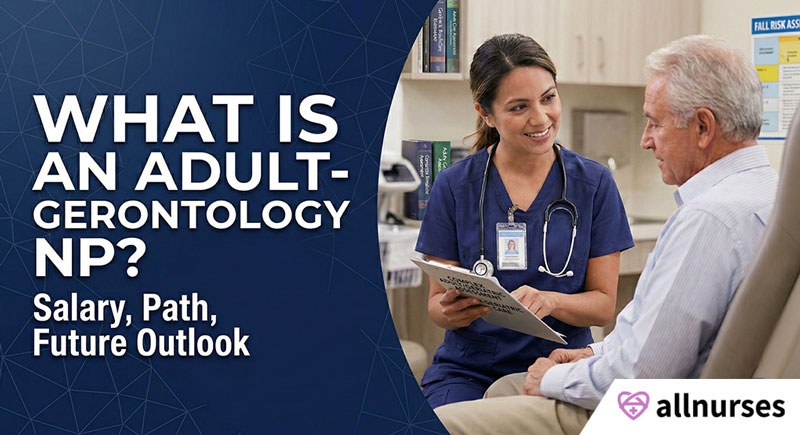 The need for healthcare professionals trained to manage the complex comorbidities of aging adults is skyrocketing. According to data monitored by the Gerontological Advanced Practice Nurses Association (GAPNA), the "Silver Tsunami" is fully upon us, with millions of Baby Boomers requiring specialized care. For Registered Nurses (RNs) looking to advance their careers in 2026, becoming an Adult-Gerontology Nurse Practitioner (AGNP) offers a blend of clinical autonomy, high earning potential, and job security. Unlike Family Nurse Practitioners (FNPs) who treat patients across the lifespan, AGNPs focus strictly on adolescents (typically ages 13+) through end-of-life care. This guide breaks down the two distinct AGNP tracks, the latest salary data, and the educational pathways required to enter this field. What Is an Adult-Gerontology Nurse Practitioner?An AGNP is an Advanced Practice Registered Nurse (APRN) who holds a Master's or Doctoral degree. They are clinically trained to assess, diagnose, and manage acute and chronic conditions in young adults, adults, and older adults. The role focuses heavily on: Health Promotion: Disease prevention and lifestyle counseling. Chronic Management: Handling conditions like diabetes, hypertension, and COPD. Geriatric Syndromes: Managing frailty, polypharmacy (multiple medications), and dementia. Palliative Care: Optimizing quality of life for those with serious illnesses. However, "AGNP" is an umbrella term. To become one, you must choose between two very different certifications: Primary Care or Acute Care. Do You Have What It Takes?Beyond clinical acumen, successful AGNPs share specific traits: Advanced Patience: Geriatric assessments simply take longer. Mobility issues, hearing loss, and complex histories require an unhurried approach. Caregiver Empathy: You aren't just treating the patient; you are often educating, comforting, and coordinating with their exhausted family members. Advocacy: Older adults are a vulnerable population. AGNPs must be vigilant in identifying signs of neglect, self-care deficits, or elder abuse.
 -
I am trying to gain feedback regarding those that went and completed their MSN in the nurse practitioner program at William Paterson University in NJ. How they perceived the program prior to starting, compared to how the experience was for them during the degree.. Students in the NP program at this school are welcome to share how they are going through their specialty routes.. Any feedback is much appreciated!
-
 With their unique blend of expertise, compassion, and dedication, Adult-Gerontology Nurse Practitioners (AGNPs) serve as primary and acute care providers, offering a holistic approach to health and wellness for older adults. If you're interested in this rewarding career path, read more about the best programs available in 2025.
 -
 Thinking about pursuing a career as a nurse practitioner? Explore our rankings of the best NP programs based on specialties, empowering you to make an educated decision. Customize your educational journey to match your career goals, and let our rankings steer you towards a choice that leads to success.
 -
 With their unique blend of expertise, compassion, and dedication, Adult-Gerontology Nurse Practitioners (AGNPs) serve as primary and acute care providers, offering a holistic approach to health and wellness for older adults. If you're interested in this rewarding career path, read more about the best programs available in 2025.
 -
 With their blend of expertise, compassion, and dedication, Adult-Gerontology Nurse Practitioners (AGNPs) serve as primary and acute care providers, offering a holistic approach to health and wellness for older adults. If you're interested in this rewarding career path, read more about the best programs available in 2026.
 -
 With their blend of expertise, compassion, and dedication, Adult-Gerontology Nurse Practitioners (AGNPs) serve as primary and acute care providers, offering a holistic approach to health and wellness for older adults. If you're interested in this rewarding career path, read more about the best programs available in 2026.
 -
 With their blend of expertise, compassion, and dedication, Adult-Gerontology Nurse Practitioners (AGNPs) serve as primary and acute care providers, offering a holistic approach to health and wellness for older adults. If you're interested in this rewarding career path, read more about the best programs available in 2025.
 -
 With their unique blend of expertise, compassion, and dedication, Adult-Gerontology Nurse Practitioners (AGNPs) serve as primary and acute care providers, offering a holistic approach to health and wellness for older adults. If you're interested in this rewarding career path, read more about the best programs available in 2025.
 -
 With their blend of expertise, compassion, and dedication, Adult-Gerontology Nurse Practitioners (AGNPs) serve as primary and acute care providers, offering a holistic approach to health and wellness for older adults. If you're interested in this rewarding career path, read more about the best programs available in 2025.
 -
 Blending expertise, compassion, and dedication, Adult-Gerontology Nurse Practitioners (AGNPs) serve as primary and acute care providers, offering a holistic approach to health and wellness for older adults. If you're interested in this rewarding career path, read more about the best programs available in 2025.
 -
-
Hi! Currently an AGACNP student interested in Aesthetics (no previous experience) Has anyone started an aesthetics career as an NP with an acute care degree? What kind of experience do you need? Any and all input appreciated!
-
The need for healthcare professionals trained to care for the complex needs of older adults is skyrocketing. The Population Reference Bureau reports that the number of Americans over 65 is expected to nearly double from 2018 to 2060. This change means that 95 million seniors will need medical care from providers trained in caring for people across the spectrum of adulthood. Nursing professionals interested in taking their education and career to the next level for the needs of an aging population might want to consider becoming an adult-gerontology nurse practitioner (AGNP). These advanced practice nurses treat acute and chronic illnesses of people over 18 and into their older years. Because the U.S. population is aging, this nursing career path is in demand and growing. Table of Contents What Is an AGNP? AGNP Responsibilities Salary and Outlook How to Become an AGNP What Is an AGNP? AGNPs promote health and wellness in patients from early adulthood to the end of life. They focus on helping their patients live and age with quality and dignity. AGNPs can specialize even further by practicing in acute or primary care settings. Each specialty provides care in different settings and focuses on a specific area of the patient care continuum. Adult-Gerontological Primary Care Nurse Practitioners Adult-gerontological primary care nurse practitioners (AGPCNPs), also known as family nurse practitioners (FNPS), care for patients with a focus on day-to-day healthcare, including managing chronic illnesses and promoting overall wellness. AGPCNPs diagnose conditions, develop treatment and management plans, and provide health promotion, disease prevention, and disease management education for patients and their caregivers. They typically work in primary care settings, including: Outpatient clinics Community health centers Private practices The scope of practice for an AGPCNP varies by state, with some states allowing AGPCNPs to practice autonomously while others require supervision by a licensed physician. In some states, AGPCNPs hold prescriptive authority. They are a crucial part of the healthcare delivery system. Research has found that AGPCNPs provide high-quality, cost-effective care, especially in rural areas where access to primary care providers may otherwise be limited. Related: 10 Best BSN to MSN Programs in 2023 Adult-Gerontological Acute Care Nurse Practitioners Adult-gerontological acute care nurse practitioners (AGACNPs) focus on providing short-term care for adult and geriatric patients with severe health conditions or injuries. AGACNPs thoroughly understand the aging process and how it affects medical care. They usually work in tertiary and inpatient environments, such as hospitals and critical care units. AGACNPs may also work in long-term care facilities to provide acute care to residents. AGACNPs monitor and diagnose acute illness and injury and develop treatment plans appropriate to the patient's age and condition. These professionals have a unique understanding of the aging process and the effects of age on health and well-being, which informs their clinical practice. An advantage to becoming an AGACNP is that these practitioners have greater autonomy and responsibility and can independently meet with patients and assess them. AGNPs also treat patients from different age groups and work in various settings, allowing for multiple career opportunities and experiences. AGNP Responsibilities The responsibilities of an AGNP will differ based on the acute and primary care settings. AGACNP (Acute Care) Responsibilities Examining, diagnosing, and monitoring acutely ill patients Developing treatment plans and appropriate interventions while overseeing and evaluating their implementation Coordinating healthcare services for acutely ill patients in critical care Facilitating transfers between different care environments and levels of care Serving as an advocate for patients and families and supporting decision-making Teaching and mentoring other healthcare professionals AGPCNP (Primary Care) Responsibilities Examining and diagnosing patients, including chronic illnesses, women's health exams, and acute illness Managing acute and chronic conditions Ordering, conducting, and interpreting diagnostic tests Collaborating with other providers to coordinate patient care Advocating for patients Providing education to patients on health promotion, health maintenance, and disease management AGNP Salary and Outlook Available salary and career outlook data do not specify the type of NPs but provide ranges for acute and primary care. Understanding that specializing may increase your average salary and career trajectory is critical. It's also important to note that various contributing factors affect differences in pay, including location, tenure, and additional training. According to Payscale data from April 2022, NPs earn an average base salary of $103,202. Specializing in acute care carries a base salary of $102,120, and geriatrics comes in at $105,718. The U.S. Bureau of Labor Statistics (BLS) reports that the 2021 median salary for NPs and other advanced practice nurses was $123,780, or almost $60 per hour. BLS also reports that NPs are one of the fastest-growing professions in the United States. The profession is projected to increase by 52% from 2019 to 2029, far faster than the average job growth for other careers. This data is related to the population increase of older adults and the shift in the industry of using more NPs to provide primary care services. How to Become an AGNP Becoming an AGNP requires additional education. You must first obtain a bachelor's degree in nursing and hold a registered nurse license. RNs interested in becoming an AGNP must attend an accredited AGNP program. During the program, you'll learn about the study of adult and gerontology care and how to assess, treat, and care for conditions related to aging. As part of your training, you'll complete at least 500 supervised clinical hours working with a licensed NP or physician. After obtaining a master's degree or doctorate as an NP, graduates must take and pass the national licensure exam before they can work in their new role. Both AGACNPs and AGPCNPs are certified by the American Nurses Credentialing Center (ANCC) and the American Academy of Nurse Practitioners (AANP). Once licensed, NPs must remain current by completing continuing education credits on advanced practice nursing care, evidence-based care, and other specialized topics. While the basic requirements are similar to becoming an AGACNP and AGPCNP, the coursework does vary. Adult-Gerontology Acute Care Nurse Practitioner The curriculum for an AGACNP is specialized in the acute care setting. Since 2014, nurses who wish to become AGACNPs must choose to specialize in pediatric or adult-gerontology acute care and take the related courses and specialized exams. The curriculum for an AGACNP includes coursework related to: Different age groups (adolescents, adults, geriatric) Acute care Pathophysiology Pharmacology Related: 10 Best Master of Science in Nursing (MSN) Programs in 2023 Adult-Gerontology Primary Care Nurse Practitioner Coursework for the AGPNP program covers primary care topics. NPs in the program are also taught how to navigate the U.S. healthcare system and policy. The curriculum includes coursework in the following: Pharmacology Health Education and Promotion Health Care Policy Advanced Physiology Pathophysiology Becoming an AGNP is an excellent choice for nurses who want to up their careers. The outlook is promising, and your salary increase should be significant.
-
-